
When preparing for a surface finishing project, deciding whether to use dry and wet grinding with your diamond grinding discs is a crucial choice. This decision directly impacts machining results, tool life, and overall project costs. Each method have their own advantages and challenges that impact daily operations. Understanding these differences is essential to achieving the desired results on your workpieces. This guide will help you compare the two approaches so you can select the most efficient solution for your specific needs.
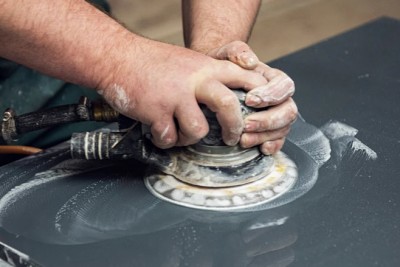
Pros and Cons of Dry and Wet Grinding with Diamond Grinding Discs
To make an informed choice, you must first weigh the pros and cons of both processes. They have distinctly different implications for equipment requirements and the work environment.
Dry Grinding: High Speed and High Heat
Dry grinding is suitable for situations where water is scarce or difficult to access. For example, this method is often more practical at remote outdoor job sites.
Advantages:
High Processing Efficiency: Dry grinding achieves faster material removal rates. Since no coolant is required, you can operate continuously without interruptions for water supply or cleanup.
Operational Flexibility: Suitable for a wider range of scenarios, including indoor areas without drainage.
Lower Initial Setup Costs: No need to invest in a water supply system or slurry management equipment.
Disadvantages:
Extreme thermal stress: Without liquid cooling, the temperature in the grinding area rises rapidly. This high temperature can cause thermal damage to the workpiece and shorten the life of the grinding disc.
Severe dust hazards: Dry grinding generates large amounts of airborne dust, including harmful respirable crystalline silica. Therefore, a suitable dust collection system and personal protective equipment (PPE) must be used.
Wet Grinding: Precision Cooling and Dust Suppression
In contrast, wet grinding continuously cools the grinding area using water or specialized coolants, making it the more common choice for precision machining applications.
Advantages:
Stable Surface Quality: The coolant maintains a stable temperature in the grinding zone, thereby protecting sensitive materials and reducing the risk of cracking and thermal damage.
Extended Tool Life: Continuous lubrication reduces friction, significantly lowering wear on diamond grinding discs.
Effective Dust Suppression: The liquid quickly traps dust particles, improving visibility and operator safety.
Disadvantages:
Complex Cleanup: Grinding produces heavy cement or stone slurry, which must be collected, filtered, and properly disposed of.
Inconvenient Equipment Maintenance: Moisture may accelerate rust and wear on moving parts of the equipment, requiring regular cleaning and maintenance.
Can the Two Methods Be Used Together
You might ask: Can the same grinding disc be used for both dry and wet grinding? Contrary to common belief, there are significant differences in the design of dry and wet grinding discs.
First, never use wet-only grinding discs without water. These discs rely entirely on water to cool the resin or metal bond; without water, the bond may rapidly melt or crack, leading to dangerous tool failure and damage to the workpiece.
Second, dry diamond grinding discs can generally be used with water to reduce dust. However, it’s important to note that operating a dry-use disc in a wet environment may reduce its cutting efficiency, as the lubricating effect can cause the bond to become too soft.
Furthermore, the key difference lies primarily in the bond matrix:
Dry grinding discs: Use softer metal bonds or specialized high-temperature resins. They also feature wider segments or cooling holes to dissipate heat.
Wet grinding discs: Use harder bonds designed to wear away slowly in the presence of lubricating water.
How to Choose Between Dry and Wet Grinding for Your Project
To make a quick decision, you can evaluate the situation by following these steps: First, assess the material’s sensitivity to heat and impact. Second, confirm the water supply, drainage, and dust control conditions of the work environment. Third, clarify your surface finish requirements.
| Workpiece Material | Recommended Method | Key Considerations | Recommended Tool Type |
|---|---|---|---|
| Cured Concrete | Dry (with vacuum) or Wet | High speed requirement vs. dust control | Segmented Metal Bond |
| Granite and Marble | Wet Grinding | Prevents thermal cracking and chipping | Medium-Hard Bond |
| Ceramics and Glass | Wet Grinding | Requires maximum cooling to prevent breakage | Fine Grit Resin Bond |
| Small Metal Parts | Dry Grinding | Fast removal, avoids rust issues | Electroplated Diamond |
Find the Ideal Solution for Your Project
Selecting the right diamond tool requires balancing material science and operational costs. If you’re unsure which bond type or grinding method is best suited for your next project, our technical team is always available to assist you. We have developed a wide range of high-quality diamond tools for both dry and wet grinding applications. We invite you to review our electroplated diamond products or contact our team directly for assistance in selecting the most suitable configuration for your specific application.
Conclusion
Ultimately, whether you choose dry or wet grinding for your diamond grinding discs depends on the workpiece material, the work environment, and your surface finish requirements. Dry grinding emphasizes speed and flexibility but requires strict dust control; wet grinding delivers more consistent surface results and better protects sensitive materials, but requires additional cleanup. Matching tool specifications to specific project requirements is key to achieving an optimal balance between efficiency and safety.
Post time: Dec-31-2025