
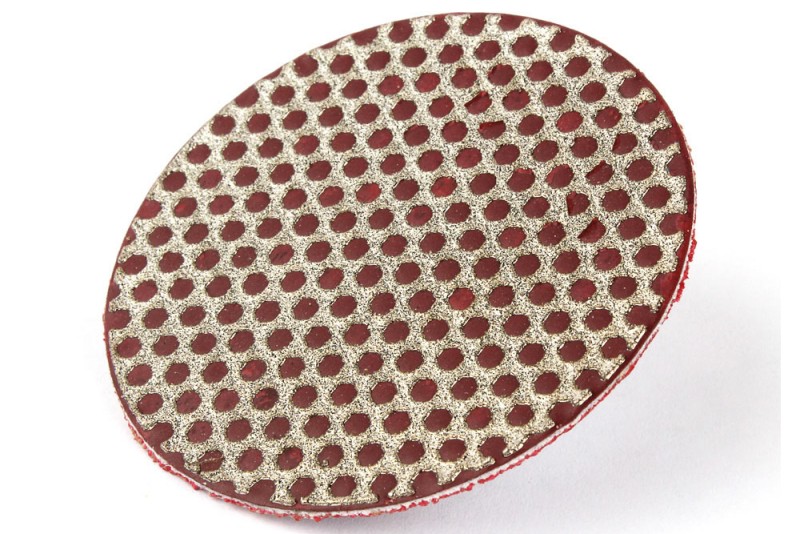
Electroplated diamond grinding discs are advanced grinding tools that leverage the extremely high hardness of diamond particles to deliver powerful cutting performance. Are you seeking high-performance grinding solutions for specific industries? This article provides an in-depth look at the performance, technical principles, and precise applications of these electroplated diamond discs.
Core Structure and Working Principles
To understand their value, one must first understand their structure. These diamond tools consist of three parts, which provide excellent stability during the machining process.
Three Core Components
Matrix: The base provides structural support. Manufacturers typically use high-strength metals such as No. 45 steel or aluminum alloys to ensure durability even under heavy operation.
Diamond Abrasive Layer: This is the key area responsible for the grinding action. The electrodeposition process embeds diamond particles into the metal matrix, forming a high-hardness grinding surface.
Transition Layer: Typically electroplated with nickel or a copper alloy, this layer enhances adhesion between the abrasive layer and the substrate. Next, the diamond particles remain firmly attached during intense grinding.
Micro-cutting Action
Its working principle relies on the micro-cutting action of the diamond particles. When electroplated tools rotate at high speed, the diamonds come into contact your workpiece and remove material layer by layer. This process achieves high-precision machining.
Performance Advantages That Drive Industry Applications
Electroplated diamond grinding discs are widely adopted primarily due to their outstanding technical advantages. They can solve many problems that traditional abrasives cannot.
Superior Grinding Efficiency
With a Mohs hardness of 10, diamond far exceeds traditional abrasives such as corundum. Consequently, these grinding discs significantly reduce processing time, making them an ideal choice for high-volume production environments.
No Dressing Required
A major advantage of electroplated tools is their dressing-free characteristic. While traditional grinding tools require frequent dressing, diamond grinding discs maintain their shape and cutting ability for extended periods, thereby significantly reducing downtime.
Longer Service Life
In practical testing, these grinding discs outlast traditional abrasives in terms of service life. When you continuously machine hard materials, they last 3 to 5 times longer. Consequently, you experience lower replacement costs.
Precision Machining and Superior Surface Finish
The electroplating process ensures a uniform abrasive layer thickness, resulting in a more stable distribution of grinding forces. At the same time, the micro-cutting action helps achieve a smoother surface finish.
Key Applications and Uses Across Industries
Thanks to the advantages mentioned above, diamond grinding discs have been widely adopted across multiple industries.
Stone Processing: Cutting, Polishing, and Surface Finishing
Stone processing facilities commonly use these grinding discs to cut and polish materials such as marble and granite. The high hardness effectively reduces the risk of edge chipping. Plus, they excel at surface treatment and can be used to remove old coatings or prepare sealing surfaces on stone.
Metalworking: Machining Hard Metals and Precision Parts
In the metalworking sector, electroplated diamond grinding discs are suitable for a variety of difficult materials, such as cemented carbide, stainless steel, and titanium alloys. Furthermore, they are commonly used in the aerospace and medical industries to machine precision parts. The grinding discs maintain sharp cutting edges, thereby ensuring high accuracy.
Glass, Ceramics, and Specialized Materials
Fragile materials require a more cautious machining approach. The uniform distribution of diamond particles helps reduce the risk of material breakage, making these discs suitable for the safe grinding of glass, ceramics, and advanced composites.
Best Practices for Operating Diamond Grinding Discs
To maximize the service life of electroplated tools, please follow the correct operating procedures.
Selecting the Appropriate Diamond Grit Size
Selecting the appropriate grit size for your project is critical.
Coarse grit (30 and below): Suitable for rapid cutting and heavy material removal.
Fine grit (100 and above): Suitable for fine grinding and achieving a smoother surface finish.
The Importance of Using Coolant
It is recommended to use coolant throughout the entire process. Coolant reduces processing temperatures and prevents overheating. Excessive heat can cause diamond particles to detach from the disc. Additionally, coolant reduces friction and improves surface finish.
Operating Precautions
Ensure that the disc rotates in the same direction as your workpiece feed to minimize lateral stress. Install the disc securely and firmly. Proper equipment calibration also helps maintain optimal grinding performance.
Quick Troubleshooting Checklist:
Problem: Diamond particles are falling off the grinding disc. → Solution: Check the coolant flow rate; the disc may be overheating.
Problem: Surface finish is too rough. → Solution: Replace with a finer grit (e.g., 100 grit or higher).
Problem: The grinding disc vibrates excessively. → Solution: Shut down the machine immediately, recalibrate it, and check the installation.
Material Selection and Customization Options
You are not limited to standard specifications. The performance of these diamond tools depends largely on customization.
Adjusting Diamond Grit Size and Concentration
A higher diamond concentration (e.g., 100%) improves durability but also increases costs. Please balance your performance requirements against your budget. Additionally, smaller abrasive particles produce a smoother surface but result in slower cutting speeds.
Customizing Shape and Parameters
You can customize the base shape, dimensions, and abrasive layer thickness, particularly for irregular workpieces. If you’re facing unique machining challenges, you can further adjust machining parameters to better suit specific materials.
Need help selecting the right specifications? Our technical team is ready to evaluate your machining parameters and recommend the ideal custom solution.
Conclusion
Electroplated diamond grinding discs are high-performance grinding tools. They efficiently remove material, achieve precision machining, and eliminate dressing downtime. As a result, they have become indispensable tools in many industries. Whether you’re involved in stone processing, metal cutting, or precision manufacturing, these discs deliver consistent and outstanding machining results.
Are you ready to boost productivity and reduce downtime? Contact our experts today for a quote, or view our product specifications. We’ll help you select the most suitable electroplated tools based on your specific application.
Frequently Asked Questions
Q: Do electroplated diamond grinding discs require dressing?
No. Electroplated grinding discs are designed to be dressing-free and typically maintain their shape and sharpness without frequent maintenance.
Q: Can they be used on fragile materials such as glass or ceramics?
Yes. The uniform diamond layer facilitates precise micro-cutting, minimizing the risk of chipping or cracking in fragile materials.
Q: What is the main difference between electroplated and traditional grinding discs?
Electroplated tools feature a single layer of tightly bonded diamond particles. As a result, compared to traditional resin or vitrified discs, they cut faster, last longer, and do not require dressing.
Post time: Jan-09-2026