
What is a diamond sponge polishing pad? If you’re looking for a reliable abrasive tool for edge finishing or scratch repair, you might be asking this. First, you should understand that “sponge polishing pad” is a broad term used across multiple industries, such as automotive detailing and woodworking. However, in the stone processing industry, this term typically refers to diamond sponge polishing pads. These specialized tools combine a flexible foam backing with high-quality diamond abrasives. As a result, they offer unmatched performance in edge finishing, scratch repair, and surface polishing. If you’re looking to boost your productivity, browsing our selection of diamond polishing pads is a smart first step.
What are Sponge Polishing Pads
Typically, sponge polishing pads rely on soft, porous materials to hold polishing compounds or mild abrasives. For example, automotive detailers use foam pads to apply car wax and remove swirl marks from paint. In contrast, heavy-duty industrial applications require more robust solutions. Professionals in the stone and construction industries cannot use standard detailing foam to shape hard materials.
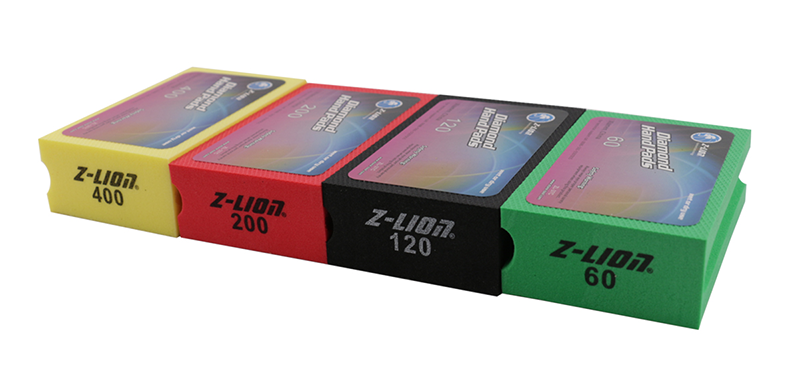
What Makes Diamond Sponge Polishing Pads Different
Standard foam simply cannot cut granite or quartz. Therefore, manufacturers have designed diamond polishing sponges specifically for these demanding, hard-surface environments.
What are They Made Of?
These polishing pads feature a durable EVA foam backing combined with an extremely tough abrasive surface. Typically, this surface contains industrial-grade diamond particles. Consequently, you achieve ultimate sharpness and efficiency. Additionally, we often refer to these tools as diamond hand polishing blocks or diamond hand polishing pads depending on their specific shape and contour.
How the Sponge Backing Improves Polishing
The flexible backing is the absolute secret to their success. Specifically, the foam absorbs applied pressure and conforms to irregular surfaces. As a result, diamond sponge pads prevent accidental gouging and consistently deliver a smooth, uniform surface finish.
When Should You Use a Sponge Backing Pad
You’ll need these flexible tools when rigid grinding wheels or stiff backing pads cannot safely or effectively get the job done.
Polishing Curved and Profiled Edges
Rigid tools often damage curved edges by cutting too deeply. Flexible diamond polishing sponges can easily conform to complex profiles. As a result, you can safely and efficiently polish bullnose edges, sink cutouts, and custom architectural shapes.
Touch-Up and Scratch Repair
Installers often scratch stone slabs during transport or on-site installation. Fortunately, sponge backed diamond pads allow you to quickly grind away these minor surface imperfections directly on the job site without heavy machinery.
Finishing Delicate Surfaces
Some material chip easily under heavy vibration from power tools. The thick foam layer naturally absorbs these mechanical vibrations. As a result, you can achieve a clean, smooth finish on fragile edges without causing microscopic cracks.
What Materials Can Diamond Sponge Pad Polish
These highly versatile polishing pads can handle a wide variety of hard and brittle materials across multiple industries.
Granite
Granite is exceptionally hard and dense. Therefore, you need the powerful cutting performance of electroplated diamonds to effectively shape and polish its edges.
Marble
Marble is much softer than granite and scratches easily. Therefore, using a fine-grit hand polishing sponge helps you restore its natural gloss without removing too much surface material.
Quartz
If temperatures get too high, the quartz resin may burn or discolor. Fortunately, our electroplated hand polishing sponge offer excellent heat dissipation, keeping the surface cool during the finishing process.
Ceramic & Porcelain Tile
Tiles often have extremely sharp and dangerous edges after cutting. You can easily use stone sponge polishing pads to smooth these edges and prevent injuries.
Glass
Glass requires precise, gentle grinding to prevent shattering. The flexible foam prevents edge chipping, while sharp diamonds efficiently removes dangerous burrs.
Engineered Stone
Similar to quartz, composite materials require abrasive tools that do not clog easily. Z-LION’s electroplating technology ensures superior chip clearance, making it ideal for processing these highly adhesive materials.
How to Choose the Right Diamond Polishing Sponge
Choosing the right pad determines the overall success of your project. Use this quick selection guide to match the right tool to your task.
Choose the Right Grit
A lower number always indicates a coarser grit. For example, use a 60 grit pad for rapid material removal and rough edge shaping. Conversely, use a grit of 400 or higher for final smoothing and polishing.
Electroplated vs Resin Bond
Electroplated pads use a strong nickel alloy to lock diamonds directly onto the surface. As a result, they provide extremely powerful cutting action and are ideal for edge shaping. In contrast, resin bond polishing pads embed diamonds in a plastic matrix. You should use resin pads for final polishing to achieve a high gloss.
Wet or Dry Polishing
Many modern pads work perfectly dry. However, continuous use of water can significantly extend the service life of the polishing pad. Additionally, water helps capture harmful silica dust, keeping your work environment safe. If you need specific technical advice, please refer to the detailed specifications for our electroplated flexible tools.
How to Achieve Better Polishing with Sponge Pads
Follow this simple step-by-step guide to maximize your productivity and surface quality.
Start with the Right Grit
Always begin by carefully assessing the material’s surface. If there exists deep scratches, start with a coarse 60 grit pad. Skipping directly to a fine grit will only waste your time and effort.
Apply Even Pressure
Let the sharp diamonds do the work. Applying excessive pressure will completely compress the foam, causing it to lose its original flexibility. As a result, you may cause uneven wear on the polishing pad or leave deep scratches on the material.
Keep the Surface Clean
Be sure to wipe the surface clean between each grit change. When you switch to a finer polishing pad, dust and loose diamonds from a coarse pad can easily scratch the surface.
Progress Through the Grit Sequence
Never skip grits while working. Proceed in order from 60 to 120 grit, then 200 grit, and finally 400 grit. This systematic approach ensures that you thoroughly remove any scratches left by the previous pad.
How to Maintain Diamond Sponge Polishing Pads
Proper maintenance can significantly extend the service life of diamond sponge polishing pads. First, be sure to rinse the pads with clean water after use to remove any trapped stone slurry. Next, let them air dry completely, then store them in a cool, dry place. Finally, inspect the diamond surface regularly. If the polishing pad feels completely smooth or has lost its strong cutting power, it is time to replace it.
Final Thoughts
In summary, using the right diamond sponge polishing pads can greatly improve your edge finishing and scratch repair work. The combination of a flexible backing and electroplated diamonds provides the perfect balance of powerful cutting performance and precise control. Whether you’re working on granite countertops or smoothing glass edges, these professional tools will save you significant time and money.
Are you ready to take your finishing process to the next level? Contact the technical experts at Z-LION Diamond Tools today. You can easily get a custom quote for our flexible diamond polishing sponges and let us help you find the perfect solution for your specific application.
FAQs
Can diamond sponge polishing pads be used wet or dry?
Yes, you can use them both ways. However, wet polishing effectively reduces airborne dust and extends the overall lifespan of the polishing pad by keeping the diamonds cool during friction.
Are diamond sponge polishing pads reusable?
Absolutely. Because they’re made with industrial-grade diamonds and extremely durable, high-quality sponge, you can reuse them across multiple projects until the abrasive surface wears completely smooth.
How long do diamond sponge polishing pads last?
Their lifespan depends entirely on the specific material you’re polishing and your technique. Electroplated polishing pads typically last much longer than traditional sandpaper, especially when you use them with water and apply moderate pressure.
Post time: Jul-19-2023