
Abrasive belts are becoming increasingly popular across industries due to their efficiency and versatility in machining. Therefore, if you need to process hard materials, you need reliable tools. Compared to traditional machining tools like grinding wheels, these belt-shaped abrasives offer many advantages. Today, electroplated diamond sanding belts are revolutionizing the manufacturing industry. This article will therefore delve into the key advantages of abrasive belts and explain why they should be your top choice.
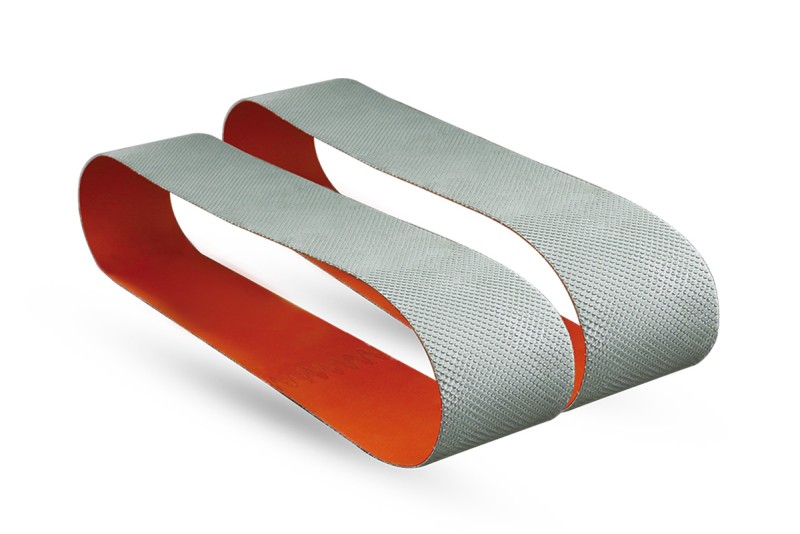
Exceptional Processing Performance of Abrasive Belts
One of the most significant advantages of abrasive belts is their high processing efficiency. You can easily achieve outstanding results in less time.
High Material Removal Rate
The continuous belt surface provides a larger contact area. This means you can achieve faster material removal rates compared to standard cutting tools. Additionally, electroplated diamond abrasive belts feature extremely high grain exposure. This unique design allows for powerful gripping and cutting of hard materials. As a result, you can significantly reduce processing time. Ultimately, this efficiency not only boosts your output but also reduces labor costs.
Cool Cutting and Heat Dissipation
Heat damage can ruin expensive materials. Fortunately, these belts perfectly address this specific issue. Because these belts have a long circumference, they have ample time to cool down during operation. Furthermore, diamond itself has extremely high thermal conductivity. Therefore, when you use diamond abrasive belts with a water coolant, you can achieve perfect cool cut. As a result, you can easily prevent thermal cracks or burn marks on delicate workpieces.
Superior Precision and Flexible Application
Another highly attractive benefit of abrasive belts is the precise control they offer. You can tackle complex machining tasks with absolute confidence.
Adaptability to Complex Workpiece Shapes
Abrasive belts can effectively process workpieces of various complex shapes. For example, you can seamlessly polish flat surfaces, curved surfaces, internal cylinders, and sharp edges and corners. This exceptional adaptability makes them suitable for a wide range of applications. You can use them for any task, from intricate detail work to large-scale surface finishing.
High-Precision Machining and Consistency
Standard sanding belts often shed grit easily or lose their shape rapidly. In contrast, electroplated diamond abrasive belts offer excellent shape retention. This means their thickness and cutting force remain absolutely stable throughout their lifespan. As a result, you can achieve consistent machining results with minimal error. Ultimately, you can effortlessly meet the stringent precision requirements of various workpiece specifications.
Outstanding Economic and Operational Benefits
One of the most notable advantages of these belts is their exceptional cost-effectiveness. You save both time and money.
Cost-Effectiveness and Long Tool Life
Manufacturers design diamond abrasive belts to be extremely durable. Since diamond is the hardest material on Earth, combined with a robust electroplated bond, these belts have an exceptionally long service life. As a result, you can use them repeatedly before needing a replacement. As a result, they significantly reduce your total cost per part and simplify your inventory management.
Quick Changes and Reduced Downtime
The physical convenience of these belts makes them extremely popular among operators. You can easily install them on a variety of machines, including belt sanders and grinders. Additionally, you can replace the belts very quickly during use. As a result, you save valuable time and reduce downtime. Ultimately, your overall operational efficiency will be significantly improved.
Unmatched Material Versatility for Abrasive Belts
Abrasive belts are extremely versatile tools. However, electroplated diamond sanding belts specifically excel in machining extremely hard and brittle materials.
For example, you can easily grind glass, stone, ceramics, and tungsten carbide. Furthermore, they work perfectly on thermal spray coatings, chilled iron, and advanced composites. As a result, you can tackle demanding materials that traditional abrasives simply cannot handle. Furthermore, you can choose from a variety of customizable specifications, including different widths and grits, to ensure optimal results.
Abrasive Belts vs. Traditional Grinding Wheels: A Quick Comparison
Why are modern manufacturers rapidly replacing grinding wheels with abrasive belts? Let’s look at a visual comparison to help you understand this industry shift.
| Features | Electroplated Diamond Abrasive Belts | Traditional Grinding Wheels |
|---|---|---|
| Safety | High (flexible backing won’t shatter) | Lower (risk of shattering during high-speed operation) |
| Vibration Level | Extremely low (smooth operation) | High (can cause operator fatigue) |
| Heat Generation | Low (excellent heat dissipation) | High (may cause workpiece burn) |
| Surface Finish | Smooth and consistent | Prone to leaving deep chatter marks |
First, abrasive belts offer unparalleled safety. Hard grinding wheels can shatter at high speeds, posing serious safety hazards. In contrast, flexible sanding belts produce significantly less vibration during operation and will never shatter. Additionally, the larger contact area of sanding belts prevents deep chatter marks on the workpiece. As a result, you can achieve a much smoother surface finish.
Actionable Guide: How to Choose the Right Abrasive Belt
Choosing the right belt ensures optimal results for your machining tasks. Therefore, before starting your next project, follow this quick checklist:
Identify the material: For hard, brittle materials (such as glass, ceramics, and tungsten carbide), be sure to use electroplated diamond sanding belts specifically designed for these applications.
Select the appropriate grit: Choose a coarse grit (e.g., 60–120) for rapid material removal. Conversely, use a fine grit (e.g., 400–600) to achieve a smooth, polished surface.
Check coolant compatibility: Ensure your machine supports wet grinding. Water coolant can maximize the service life of the diamond sanding belts.
Verify machine dimensions: Before ordering, be sure to carefully verify the required belt width and length for your machine.
Conclusion
In summary, abrasive belts offer many advantages that make them an indispensable tool in the field of machining. Their cost-effectiveness, high processing efficiency, and precise control make them your top choice. Specifically, electroplated diamond sanding belts provide the ultimate, long-lasting solution for hard and brittle materials. As the manufacturing industry continues to evolve, the use of sanding belts will continue to grow rapidly.
Does your next demanding project require a highly reliable solution? Contact our team today to review product specifications or consult our experts for a customized quote tailored to your specific application.
Frequently Asked Questions (FAQs)
Are diamond abrasive belts better than conventional belts?
Yes, they are definitely better. When machining hard or brittle materials, the service life and cutting power of diamond sanding belts are truly unmatched. Therefore, they offer you exceptional long-term value.
Can I use electroplated diamond belts wet or dry?
In some cases, dry grinding is possible. However, we strongly recommend wet grinding. Using coolant not only maximizes tool life but also improves surface finish and effectively flushes away debris.
How long does a diamond abrasive belt last?
Service life depends largely on your specific application and the material being processed. Nevertheless, high-quality electroplated diamond sanding belts typically last 50 to 100 times longer than standard sandpaper belts.
Post time: Jun-27-2025