
When you need to polish hard materials in tight corners, electroplated delta diamond polishing pads offer the most aggressive and efficient solution. Standard round pads simply cannot reach inner corner areas. As a result, professional machinists rely on these specialized tools for precise detail work.
In this guide, you’ll gain a clear understanding of how these pads work and which materials they’re best suited for. Additionally, we’ll provide detailed information on compatible tools and proper usage techniques. With this information, you’ll be able to make informed purchasing decisions for your next project.
What are Electroplated Delta Diamond Polishing Pads
These tools provide powerful grinding capabilities for hard surfaces. Professionals use them specifically for areas that standard equipment cannot reach.
What Does “Delta” Mean
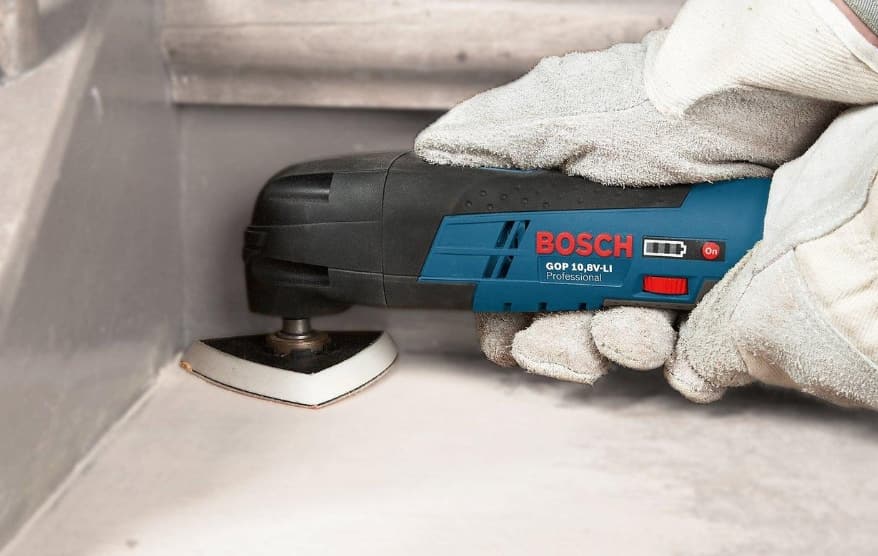
The term “Delta” refers to the triangular shape of the polishing pad. This specific geometry allows you to push the abrasive surface directly into sharp, 90-degree internal corners. Its pointed design enables efficient work on detailed edges and corners of countertops and tiles.
How Electroplated Diamond Pads are Made
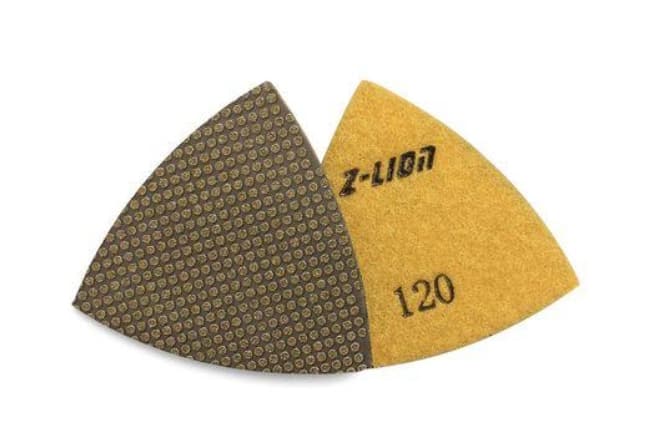
Manufacturers bond diamond particles to a flexible backing using a precision nickel-plating process. This advanced technology ensures 100% diamond exposure. As a result, electroplated triangular polishing pads cut much faster than traditional resin pads. The robust nickel bond prevents the diamonds from falling off under high-speed, high-load conditions.
What are Electroplated Delta Pads Used For
You’ll find that delta diamond pads are indispensable for a wide range of fabrication and restoration tasks. They offer distinct advantages in the following specific applications.
Polishing Inside Corners and Tight Spaces
Round tools always leave a small unpolished radius in corners. In contrast, triangle diamond polishing pads can reach all the way to the vertex. You can ensure a uniform and consistent finish across the entire surface.
Edge Finishing and Detail Grinding
Complex edge profiles require precision tools. You can easily handle intricate curves and chamfers with these pads. This makes them the perfect choice for custom stonework.
Removing Scratches and Surface Imperfections
Because exposed diamonds are extremely aggressive, they are ideal for rapid stock removal. You can rapidly eliminate deep scratches on hard surfaces, lippage, and stubborn stains.
Surface Preparation Before Final Polishing
Before applying fine resin pads, you must first level the surface. Electroplated pads can quickly complete the initial surface preparation. They create a uniform scratch pattern that finer grits can easily remove.
What Materials Can Diamond Delta Pads Polish
These tools perform exceptionally well on a wide range of hard and brittle materials. The table below clearly lists material compatibility.
| Material | Suitable | Notes |
|---|---|---|
| Granite | ✔ | Excellent |
| Marble | ✔ | Excellent |
| Quartz | ✔ | Recommended |
| Ceramic tile | ✔ | Good |
| Porcelain tile | ✔ | Good |
| Concrete | ✔ | Medium grinding & polishing |
| Glass | ✔ | Fine Finishing |
When Electroplated Pads are NOT Recommended
You should avoid using electroplated delta polishing pads for final high-gloss mirror polish. The exposed diamonds have extremely strong cutting power. Therefore, they will leave fine scratches even at higher grit level. To achieve a perfect mirror finish, you must switch to resin bond pads for the final step.
Which Tools are Compatible with Delta Diamond Polishing Pads
Choosing the right power tool determines your project’s success. These pads fit specific machines designed for detailed work.
Oscillating Multi-Tools
You can easily mount diamond polishing pads for oscillating tools using the triangular backing plate. The high-frequency vibrations provide excellent control. As a result, this setup works perfectly for tile grout removal and edge detailing
Delta Sanders
Standard detail sanders also accept these pads. You typically use these machines for lighter polishing tasks and surface preparation.
Choosing the Correct Backing Pad or Attachment
Be sure to verify that your backing pad matches the exact dimensions of the delta diamond pads. Most products feature standard hook-and-loop (Velcro) backing. Thus, you can change grits rapidly on the job site. Ensure the hook-and-loop fasteners remain clean and strong.
How to Use the Electroplated Triangular Diamond Pads
Proper techniques ensure excellent results and maximize tool life. First, securely attach the pad to your tool’s backing plate. Second, start the tool before making contact with the material.
Keep the tool moving continuously across the surface. Do not let it linger in one spot, as this can cause gouges. Additionally, let the diamonds do the work. You do not need to apply heavy downward pressure. Finally, proceed methodically from coarse grit (such as 60 or 120) to fine grit (like 400).
How to Choose the Right Delta Diamond Polishing Pads
Choosing the right pad depends entirely on your specific task.
First, assess the grit size you need. Coarse grits (60–120) remove material quickly and shape edges. Medium grits (200–400) are used to smooth out scratches. Fine grits (600 and above) prepare the surface for the final polish.
Second, consider the manufacturer’s expertise. As an industrial buyer, you need consistent product quality. Look for a reliable manufacturer with deep electroplating experience. This ensures that the diamonds remain firmly bonded during intense cutting operations.
How to Make Your Diamond Delta Pads Last Longer
With simple maintenance, you can significantly extend the service life of your polishing pads.
First, use them with water whenever possible. Wet grinding cools the diamonds and washes away debris. This prevents the polishing pads from being damaged by overheating.
Second, avoid pressing down too hard. Excessive pressure can force the diamonds out of the nickel matrix. Finally, clean your pad with a stiff brush after each use. This prevents dust from clogging the grinding surface.
Conclusion
Choosing the right polishing tools directly impacts the efficiency and profitability of your projects. By understanding the materials of the polishing pads, proper tool compatibility, and best practices for operation, you can ensure that every job delivers an excellent surface finish.
If you need customized solutions or bulk purchasing options, your best strategy is to work directly with trusted manufacturer of electroplated delta polishing pads. Contact our technical team today to request a quote, explore our OEM capabilities, and find products with precise specifications that meet your cutting and polishing needs.
FAQs
How long do electroplated polishing pads last?
Their service life depends on the material hardness and the pressure you apply during operation. Because they use a rigid nickel bond, their service life typically far exceeds that of traditional sandpaper or resin pads during aggressive stock removal tasks. Wet grinding with water can significantly extend their service life.
Can I use delta polishing pads on an oscillating multi-tool?
Yes. You can easily mount them on an oscillating multi-tool using a standard Velcro triangular backing pad. This combination provides excellent control for precision work in tight corners and detailed edge grinding.
Are electroplated pads better than resin pads?
They serve different purposes. Electroplated pads have much stronger cutting power and are better suited for shaping, leveling, and removing initial scratches. Resin polishing pads, on the other hand, are better suited for achieving a final high-gloss, mirror-like finish.
Post time: Sep-18-2026