
When you need to repair scratches on quartz countertops, you must balance restoring the surface with protecting the factory finish. As a fabrication professional or installer, you frequently encounter surface damage on job sites. But customers expect a flawless result.
First, you must accurately assess the damage. Next, you need to prepare the appropriate tools. For example, selecting the right diamond hand polishing pad for quartz can ensure a precise polish without burning the resin.
This article will explain how to efficiently fix scratches on quartz countertops, enabling you to deliver perfect results on every job.
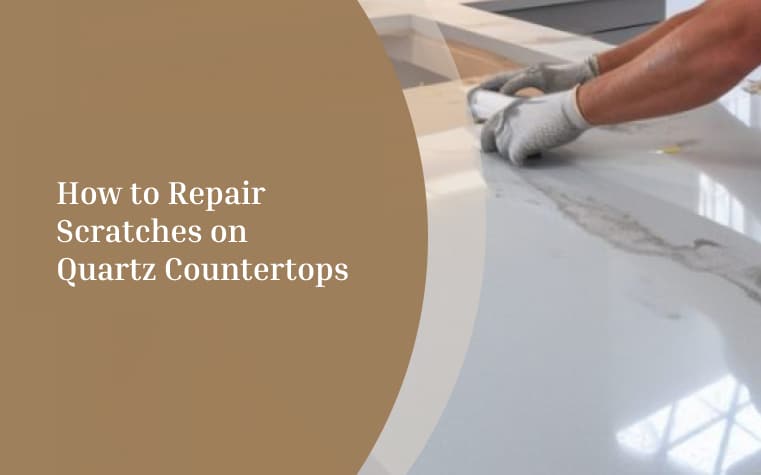
Can Scratches Be Repaired on Quartz Countertops
As long as you use the correct method, you can definitely repair a scratched quartz countertop. However, the specific method depends entirely on the severity of damage.
Are Quartz Countertops Scratch-Proof?
Manufacturers engineer quartz to have extremely high scratch resistance. Specifically, they blend natural quartz aggregate with strong polymer resin. As a result, the surface can perfectly withstand daily wear. However, quartz is not completely scratch-proof. Accidental damage often occurs during installation or under heavy commercial use. For example, dragging heavy steel tools can leave visible marks.
Which Scratches Can Be Repaired?
You can repair almost all minor surface imperfections. However, you must classify the damage first.
Light surface scratches: You can quickly polish these out using fine grit abrasives.
Minor dull spots: You can easily restore the shine of your quartz countertop without heavy sanding.
Deep scratches: These require professional filling before you begin polishing.
Chips and gouges: You must use color-matched epoxy resin to repair these structural defects.
Key Takeaway: Not all scratches require replacing the entire countertop. Therefore, targeted quartz countertop scratch repair can save you significant time and money.
Assess the Scratch Before You Start
Before beginning any quartz countertop scratch repair, carefully assess the condition of the surface. This assessment will determine your entire workflow.
Surface Scratch vs Deep Scratch
Use this simple troubleshooting checklist to determine the depth of damage.
Fingernail Test: Drag your fingernail across the scratch. If your fingernail gets caught, it indicates a deep scratch.
Visible White Lines: A white scratch indicates shattered resin bonds.
Loss of Polish Only: If you only see localized dullness, the damage is purely superficial.
Resin Damage: Deep gouges indicate that the underlying aggregate has been exposed.
When Polishing Is Enough
For minor surface damage, polishing is sufficient. For example, if a heavy pan has left a slight scratch on the surface, polishing works perfectly. Simply use a diamond polishing pad for quartz countertop to polish the affected area. This will restore the surface to its uniform, glossy finish.
When Filling Is Required Before Polishing
If your fingernail catches, you must fill the hole first. Otherwise, sanding the entire surface will create noticeable dip. Therefore, apply a specialized repair epoxy first. Once it has fully cured, proceed with surface leveling.
Tools Needed to Repair Quartz Countertop Scratches
Choosing high-quality tools ensures professional results. Therefore, you must equip your team with the appropriate tools before beginning the repair.
Electroplated Diamond Hand Polishing Pads
Electroplated tools offer extremely high cutting power and excellent heat dissipation. Specifically, the Z-LION electroplated diamond hand polishing pad performs well in these tasks. Because quartz contains resin, it is susceptible to burning during dry polishing. However, advanced electroplated pads prevent clogging and reduce heat buildup. As a result, they are the ideal quartz polishing tools for precise, localized spot repairs.
Other Helpful Tools
In addition, you will need some supporting tools to complete this job successfully.
Water spray bottle (for wet polishing to reduce heat)
Microfiber cloth (for cleaning up slurry and debris)
Quartz repair resin (if deep gouges need to be repaired)
Protective gloves and safety goggles
Step-by-Step Guide to Repairing Quartz Countertop Scratches
Please follow this systematic process to remove scratches from quartz countertops. By doing so, you will consistently achieve factory-grade finish.
Step 1: Clean the Countertop
First, remove all dirt and grease from the work area. Use a pH-neutral cleaner. This prevents harmful contaminants from being pushed deeper into the scratches during the polishing stage.
Step 2: Inspect the Scratches
Next, carefully inspect the clean surface under good lighting. Determine your specific repair plan based on the fingernail test method mentioned earlier.
Step 3: Repair Deep Damage (If Necessary)
If you find deep gouges, fill them now. Inject high-quality, color-matched acrylic or epoxy resin into the holes. Then, allow it to cure completely according to the manufacturer’s instructions.
Step 4: Polish Using a Diamond Hand Polishing Pad
Now, you’re ready to begin the actual polishing phase.
Select the appropriate grit: Start with a 120 or 200 grit pad for initial leveling.
Maintain even pressure: Sand using small motions. This will help you avoid creating noticeable dip on the stone’s surface.
Avoid over polishing: Stop frequently to check your progress and wipe away slurry.
Gradually move to finer grits: Work your way up to 400 grit. This will allow you to seamlessly blend the repaired area with the surrounding stone.
Step 5: Restore the Original Shine
Finally, focus on how to polish the quartz countertop after scratch repair. Use a fine grit polishing compound and a soft polishing pad. This will allow you to fully restore the countertop shine. Finish by wiping the area clean with a clean microfiber cloth.
How to Prevent Future Scratches on Quartz Countertops
After successfully repairing scratches on a quartz countertop, please instruct your clients on how to perform preventive maintenance. This will minimize future service calls and complaints.
Use Cutting Boards Instead of Cutting Directly
Be sure to use a durable cutting board. Although quartz is extremely hard, sharp carbon steel knives can still score the resin binder.
Avoid Abrasive Cleaning Pads
Never scrub the surface with abrasive steel wool or harsh scouring pads. Instead, use a soft cloth or sponge. This will help protect the delicate factory finish over time.
Clean Spills Promptly
Wipe up acidic spills immediately. While acids do not cause physical scratches, they can etch the sensitive resin. As a result, etching look exactly like dull, scratched patches.
Perform Regular Maintenance
Clean the countertop daily with mild soap and warm water. Additionally, regularly inspect high-traffic commercial areas to detect signs of wear as early as possible.
Final Thoughts
In summary, you can successfully repair scratches on quartz countertops with right techniques. By accurately assessing the damage and using high-quality polishing tools, you can ensure a flawless repair. As a result, your customers will always be satisfied with this flawless, durable finish. If you’d like to equip your fabrication team with industry-leading abrasives, check out our professional electroplated polishing abrasives today. Get a quote now to upgrade your surface repair toolkit.
Frequently Asked Questions
Can scratches be removed from quartz countertops?
Yes, you can remove scratches from quartz countertops. Light scratches can be easily polished using flexible diamond hand polishing pads. Deeper scratches, however, require filling with a color-matched resin before the surface is polished smooth.
Can I repair quartz countertop scratches myself?
Professional fabricators should handle visible damage to ensure a visually seamless finish. However, you can remove very minor scratches yourself using a fine grit quartz diamond polishing pad, applying gentle, even pressure.
Will polishing change the color of quartz?
No, proper polishing will not change the color of the quartz aggregate. However, excessive heat generated by rough, dry polishing can burn the resin binder, leading to discoloration. Therefore, you must always use water or a high-quality electroplated polishing pad to keep the surface cool.
Post time: Jul-31-2026