
Drilling holes in fragile materials requires precision, patience, and the right equipment. If you want to know how to drill holes in glass without breaking it, you must first understand the unique physical properties of glass. Glass is extremely prone to shattering when subjected to improper force or sudden temperature changes, so choosing the right tools is key to avoiding damage.
Whether you run a large-scale fabrication shop or manage custom installation projects, material breakage wastes time and erodes profits. You need reliable techniques to ensure perfect results every time. By exploring our professional diamond glass tools, you can find durable solutions specifically designed for this challenging task.
This guide will teach you how to drill holes in glass without breaking it. First, we’ll explore the basic mechanics of the process. Next, we’ll provide clear, step-by-step instructions and equipment recommendations. Finally, you’ll learn expert techniques to maximize efficiency and minimize waste.
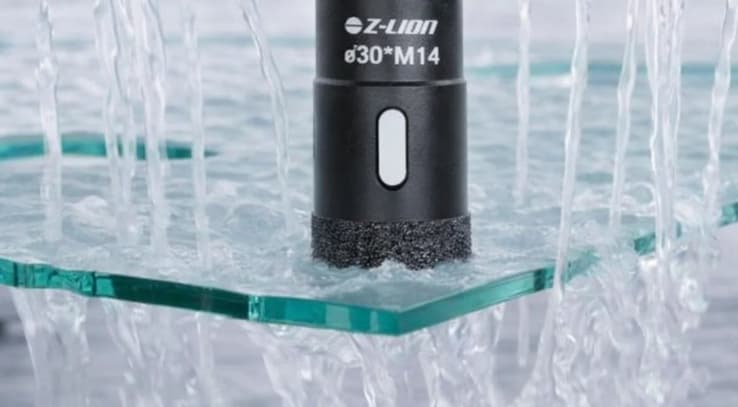
What is Glass Drilling?
Drilling glass is fundamentally different from drilling wood or metal. This process does not cut through the material; rather, it grinds it. Therefore, you need to utilize the friction of abrasives rather than sharp cutting edges.
What Happens When You Drill into Glass
During drilling, the tool grinds the glass surface into fine white powder. This grinding action generates intense friction. If not handled properly, microscopic cracks form around the hole, which can rapidly spread and shatter the entire glass panel.
Why Glass Cracks During Drilling (Factors That Affect Difficulty)
Understanding the causes of failure is the first step toward preventing it. The following key factors determine the success or failure of the project.
Heat Accumulation
Friction generates a significant amount of heat. Rapid temperature fluctuations can cause thermal shock, leading to uneven thermal expansion of the material and instantaneous breakage.
Improper Pressure and Vibration
Excessive external force can cause stress-induced failure in fragile structures. Tool vibration creates uneven contact points. You must allow the tool to grind the surface on its own to avoid stress cracks.
Incorrect Drill Bit Selection
Standard metal or wood drill bits will immediately ruin the workpiece. You must use professional diamond drill bits specifically designed for grinding; otherwise, failure is inevitable.
How to Prepare Glass Before Drilling: Safety Precautions
Proper preparation can prevent disasters. First and foremost, prioritize safety: always wear safety goggles and heavy-duty cut-resistant gloves, as tiny glass shards can cause serious injury.
Next, thoroughly clean the glass surface. Any dirt or debris can cause the tool to slip.After cleaning, place the workpiece on a flat, stable surface and position a scrap piece of wood or hard foam board underneath the glass. This backing board supports the glass and prevents chipping when the drill bit emerges from the bottom. Finally, apply masking tape to the target area; this tape provides a textured surface that prevents the drill bit from wandering or shifting as it starts the hole.
How to Drill Holes in Glass Without Cracking It: A Step-by-Step Guide
Strictly following these guidelines ensures consistent results. Below are the authoritative steps for drilling glass without breaking it.
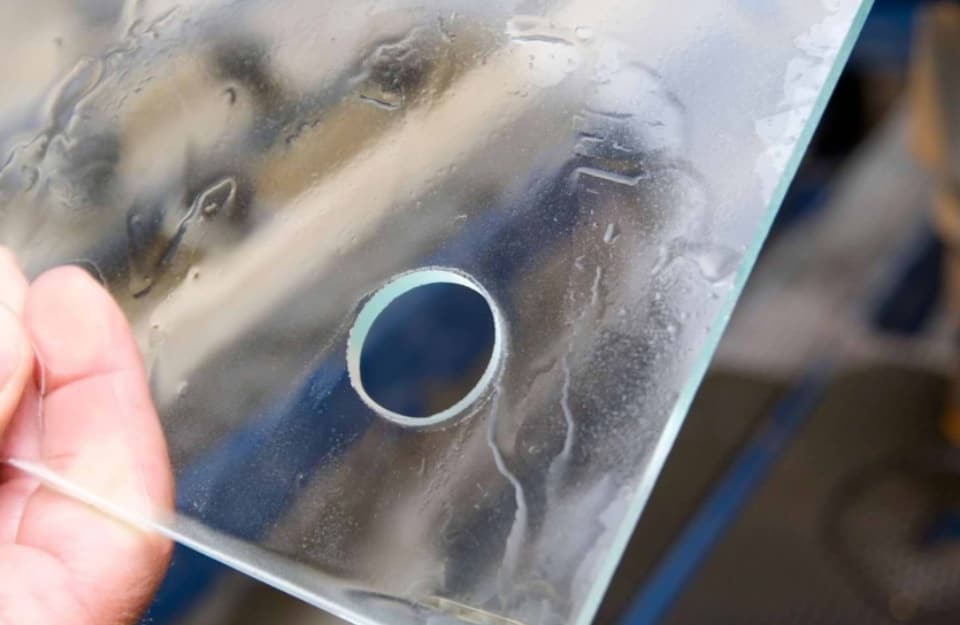
Step 1: Prepare the Glass Surface Properly
Secure the backing board in place and apply masking tape to both the front and back of the glass panel. Then measure and mark the exact center point on the tape.
Step 2: Select the Right Drill Bit for Glass
Choose tools specifically designed for glass. diamond drill bits for glass provide the best performance and the cleanest edges. Ensure the drill shank is securely mounted in the chuck to prevent wobbling.
Step 3: Set the Correct Drill Speed
Always operate the tool at low speed, aiming for approximately 400 RPM. Excessively high speeds can generate dangerous heat and reduce your control over the cutting process.
Step 4: Apply Gentle and Consistent Pressure
Hold the tool firmly, but do not press down hard. Gentle pressure prevents stress cracks from forming. Allow the abrasive edge to naturally grind the surface.
Step 5: Use Water Cooling During Drilling
Keep the work area wet. You can use plumber’s putty to build a water barrier around the hole and fill it with water, or have a colleague continuously spray water onto the contact point.
Step 6: Finish the Hole Without Chipping
As you approach the bottom of the glass, reduce the pressure further. This gentle contact prevents the back edge from chipping as the tool penetrates. If possible, flip the glass over halfway through drilling and finish the hole from the other side.
Essential Tools and Equipment for Drilling Glass
Your choice of equipment determines success or failure. Using the wrong tools will prevent you from mastering the technique of drilling glass without breaking it.
What Kind of Drill Bit Do You Use for Glass?
You have two reliable options, each with its own strengths and suited for different project needs.
Carbide Glass Drill Bits
These drills feature a chisel-shaped carbide tip, making them ideal for extremely thin glass or tasks involving only a few holes. However, they dull easily and require frequent replacement.
Diamond Glass Drill Bits
This is the professional’s top choice. Diamond drill bits for glass feature a hollow design with edges embedded with industrial diamond abrasives, enabling smooth drilling through thick glass, mirrors, and glass bottles.
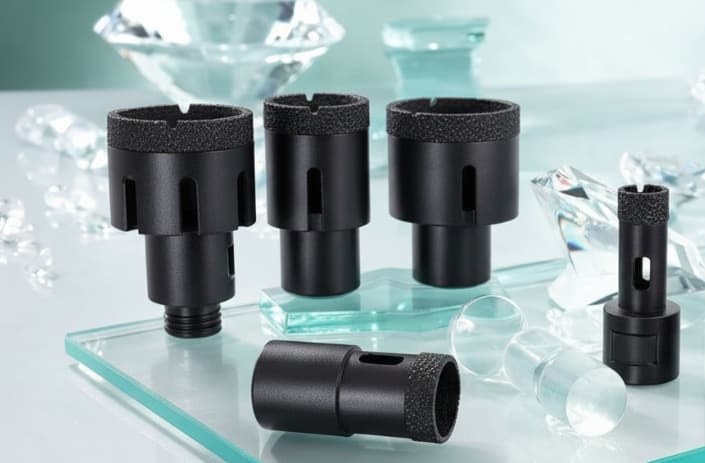
Best Drill Bit for Glass: How to Choose It
Use the comparison chart below to select the right tool for your application.
| Product Features | Carbide Spear Point Drill Bit | Diamond Core Bit |
|---|---|---|
| Ideal Applications | Thin glass, mirrors, small holes | Thick glass, glass bottles, large-diameter holes |
| Durability | Low to Medium | Very high |
| Edge Quality | Fair | Excellent (smooth edges, no chipping) |
| Required speed | Low speed (200–400 RPM) | Low to medium Speed (400–800 RPM) |
| Cooling required | Recommended | Absolutely Required |
Can You Drill Glass With a Regular Drill?
Yes. A standard rotary drill is perfectly capable of handling this task. However, you must never use an impact driver or hammer drill mode—the hammering action will shatter the glass instantly. Set the drill to the lowest speed and use high-quality diamond core drill bit to achieve a smooth finish.
Key Tips to Prevent Glass from Cracking During Drilling
Even with the best tools, operator error remains the primary cause of failure. Master the following key techniques to ensure every detail of the process is executed perfectly when drilling glass without breaking it.
Use Water Cooling to Reduce Heat and Friction
Water acts as both a coolant and a lubricant, washing away the dust generated by drilling. Without a continuous flow of water, the drill bit will overheat, and the workpiece will shatter due to thermal shock.
Maintain a Low and Controlled Drilling Speed
Speed is the enemy of fragile materials. If the tool rotates too fast, the diamond abrasives will vitrify, causing the surface to overheat. Always maintain a low and steady speed.
Apply Light and Consistent Pressure During Drilling
Do not force the drill downward. The weight of the drill itself usually provides sufficient pressure. If too much force is applied, the resulting mechanical stress will exceed the material’s tensile strength.
Start Drilling with Proper Positioning and Stabilization
Starting the hole is a major challenge because diamond core bits do not have a center-punching drill. You should tilt the tool at a 45-degree angle to first grind out a small crescent-shaped groove. Once the groove is formed, slowly raise the tool to a vertical 90-degree position.
Minimize Edge Stress to Prevent Cracking
Never attempt to drill too close to the edge of the glass. As a general rule of thumb, the distance between the hole and the edge should be at least 1.5 times the diameter of the hole. This spacing helps maintain the structural integrity of the surrounding area.
Selecting the Right Glass Drilling Tools for Your Application
Industrial applications require reliable, long-lasting solutions. Z-LION Diamond Tools provides professionals with advanced flexible diamond grinding consumables. With over 20 years of manufacturing experience, we understand the challenges you face every day. Our philosophy is simple: “Think for your time.” The tools we develop are designed to reduce processing time and significantly improve operational efficiency.
We serve not only the traditional stone and construction markets but also extend our technical expertise into cross-industry sectors. We provide innovative grinding solutions for glass, ceramics, composites, and super-hard coatings, and offer in-depth OEM customization services to leading global brands. Choosing our diamond drill bits means choosing durability, precision, and guaranteed performance.
Final Word
Learning how to drill glass without cracking it ultimately comes down to patience, preparation, and professional-grade equipment. First, secure the workpiece and apply masking tape. Second, choose high-quality diamond tools instead of standard metal drill bits. Finally, maintain a low RPM and use continuous water cooling to prevent thermal shock.
By following these guidelines, you can eliminate material waste and protect your profit margins. Don’t risk damaging expensive materials with substandard accessories. If you need robust solutions or customized OEM manufacturing services, contact our expert sales team today. We’ll help you select the exact specifications and empower you to master the professional techniques for drilling glass without breakage on your next major project.
FAQs
How do you drill glass without cracking It?
Use specialized Z-LION diamond glass drill bits, maintain a low speed, apply gentle pressure, and continuously cool the surface with water. Providing backing support and applying tape to the surface can effectively prevent breakage.
Should you use water when drilling glass?
Water is essential. It acts as a lubricant and coolant, preventing heat buildup, flushing away abrasive dust, and avoiding thermal shock that could cause the glass to shatter.
What kind of drill bit works best for glass?
High-quality Z-LION diamond drill bits are the best choice. Diamond hollow drill bits use abrasives to smoothly grind hard surfaces without causing stress cracks, whereas standard metal drill bits are prone to causing breakage.
How can I drill a hole in a glass bottle without an electric drill?
Drilling precise holes without an electric drill is extremely difficult and dangerous. Alternative methods include scoring a circle with a glass cutter and then applying thermal shock to break it out. However, this method rarely produces clean edges and is highly likely to damage the entire glass bottle.
Can you drill tempered glass without cracking it?
No. The tempering process subjects the glass panel to immense structural tension. If any tool penetrates the surface, the entire sheet of glass will instantly shatter into countless small pieces. All drilling must be completed before the tempering process.
Post time: Apr-10-2026