
When evaluating sintered, brazed, and electroplated diamond tools, the bonding process directly affects cutting speed, tool life, and surface finish. Improper selection of bonding technology can lead to scorching, clogging, and premature wear. Currently, industrial diamond tools are mainly manufactured using three core processes: metal sintering, vacuum brazing, and electroplating.
If you primarily machine composites or hard, brittle materials, electroplated diamond tools are often the better choice, as they offer an exceptionally sharp and clog-resistant grinding performance. Understanding the differences between these three processes will help you maximize project efficiency. You can quickly identify the right tool for your needs using the comparison table below, or explore our complete line of electroplated diamond tools to upgrade your process.
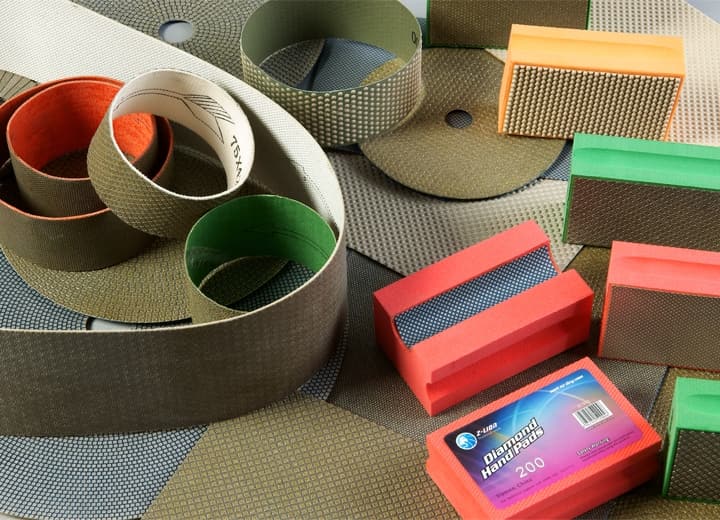
Quick Comparison: Sintered vs. Vacuum Brazed vs. Electroplated Diamond Tools
This guide provides a clear overview of the differences between the three mainstream diamond bonding technologies.
| Core Characteristics | Sintered Process | Vacuum Brazed | Electroplating (Z-LION’s Core Advantage) |
|---|---|---|---|
| Cutting Speed | Medium | Fast | Fastest (Extremely Sharp) |
| Service Life | Longest | Medium | Medium |
| Diamond Exposure | Medium | High | Highest (100% high-strength exposure) |
| Clog-Resistant & Chip Removal | Moderate | Good | Excellent (superior chip removal, no clogging) |
| Best Materials | Concrete, stone | Cast iron, conventional metals | Composites, glass, ceramics |
| Key Advantages | Heavy-duty, wear-resistant | Suitable for dry cutting | High precision, high sharpness, and flexible fit |
Want to know more? Read the details on Sintered, Brazed, or Electroplated tools below.
What Are Sintered Diamond Tools?
Sintered tools are the standard solution for heavy-duty construction and stone processing. Understanding their dense, multi-layer cutting heads will help you determine if they fit your specific conditions.
How Sintered Diamond Tools Are Made
Manufacturers mix diamond powder with metal powder and press the mixture into a mold. The metal matrix is then fused under high temperature and pressure, firmly encapsulating the diamonds to form a durable, multi-layer cutting head.
Core Advantages of Sintered Tools
Extremely Long Service Life: As the metal matrix gradually wears away, new diamond particles are continuously exposed.
Excellent Self-Sharpening Properties: Maintains stable sharpness during machining.
Heavy-duty grinding capability: Easily handles harsh conditions such as high abrasion and strong impacts.
Common Limitations
Slow Initial Cutting Speed: Low diamond exposure reduces initial cutting aggressiveness.
High grinding resistance: The dense metal matrix creates greater friction.
High heat generation: Cooling water is required more frequently to prevent overheating.
Optimal Applications
Concrete cutting and surface grinding.
Stone processing (granite, marble).
Heavy-duty industrial demolition.
What Are Vacuum-Brazed Diamond Tools?
Vacuum brazed tools offer a completely different approach to machining, emphasizing heat resistance and aggressive cutting capabilities. Below, we’ll take a closer look at this chemically bonded process for rapid material removal.
How Vacuum-Brazed Diamond Tools Work
Brazed tools are typically manufactured in vacuum furnaces. Engineers deposit specific metal alloys onto a steel substrate. During this process, the molten metal chemically bonds a single layer of diamond particles to the surface.
Key Advantages of Vacuum Brazed Tools
Aggressive Cutting: The chemical bonding allows the diamond particles to protrude further from the cutting edge.
Superior dry cutting performance: Performs well at high temperatures without diamond loss.
Rapid Material Removal: Allows for the shaping of rough materials in a shorter time.
Common Limitations
Shorter service life than sintered tools: Due to the single layer of diamond.
Higher manufacturing costs: The vacuum brazing process requires expensive industrial furnace equipment.
Best Applications
Metal stock removal and castings cleaning.
Chamfering edges on hard, rough stone.
Quick refurbishment projects and emergency cutting.
What Are Electroplated Diamond Tools?
In modern manufacturing, particularly in the fields of composite materials and glass processing, electroplated tools represents the highest standards of precision and sharpness. This process offers clear advantages when machining difficult materials.
How Electroplated Diamond Tools Are Manufactured
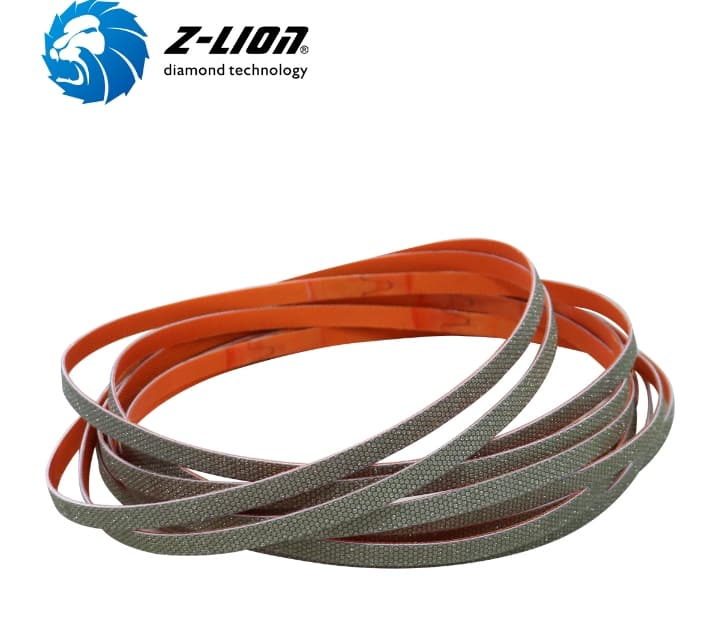
Electroplating uses an electric current to deposit a nickel alloy layer onto a steel or flexible substrate. During deposition, the nickel precisely locks in a single layer of diamond particles. Consequently, this method achieves 100% diamond exposure without embedding the particles deeply.
Key Advantages of Electroplated Diamond Tools
Exceptional Cutting Performace: Delivers unparalleled sharpness and machining efficiency.
Ideal for Composites: Capable of cutting fiberglass and carbon fiber with ease.
Exceptional Flexibility and Conformity: The cold electroplating process allows us to manufacture highly flexible grinding products.
Virtually Clog-Free: Excellent heat dissipation prevents resin and dust buildup.
Common Applications
Glass edge grinding and chamfering.
Sanding carbon fiber and fiberglass (wind turbine blades, aerospace components).
Stone profiling and contour finishing.
Ceramic and superhard coating processing.
Why Professional Buyers Choose Z-LION’s Electroplated Diamond Tools
Advanced nickel alloy plating: We ensure that diamond particles do not fall off under heavy loads.
Extensive product range: Explore our featured electroplated diamond product line, including anti-clogging flap discs, electroplated sanding belts, and hand polishing pads.
Strong OEM customization capabilities: We provide customization services for over 20 leading tool brands.
Built for Efficiency: Our tools are entirely focused on sharpness and higher industrial output.
Which Diamond Tool Should You Choose
The key to making the final decision lies in matching the bonding process to your specific materials and production processes.
Choose sintered Tools: When you prioritize maximum tool life and heavy-duty wear resistance. They are your top choice for cutting concrete, asphalt, or stone grinding.
Choose vacuum brazed tools: When you need to perform aggressive roughing and material removal. They excel at cutting cast iron, rough stone edges, or metal demolition.
Choosing electroplated tools: When you’re seeking ultimate sharpness and processing efficiency. If you’re working with fiberglass, carbon fiber, resin materials, glass, or precision ceramics, and require tools that especially in high-speed, clog-free applications. Electroplated tools are your only solution.
Finding the Right Grinding Solution for Your Next Project
In summary, the choice between sintered, brazed, and electroplated diamond tools depends entirely on your material and production needs. Sintered tools offer unmatched longevity in heavy-duty stonework; brazed tools deliver aggressive performance in dry cutting and metals; while electroplated tools provide top-tier sharpness, flexibility, and clog-free chip removal for composites and hard, brittle surfaces.
If you want to eliminate tool clogging and improve the efficiency of your composite or glass production, you need a professional electroplated solution. Therefore, we sincerely invite you to contact our technical sales team immediately for a customized quote or OEM support consultation.
Frequently Asked Questions
Which diamond tool lasts the longest?
Sintered diamond tools have the longest service life. They feature a thick metal matrix and contain multiple layers of diamond grains. As the surface wears down, new diamond grains are continuously exposed.
Which diamond tool cuts the fastest?
Electroplated diamond tools offer the fastest cutting speed during the initial stage. The nickel plating keeps the diamond particles 100% exposed, providing stronger cutting force and higher material removal.
Are electroplated diamond tools good for dry grinding?
Yes, electroplated diamond tools perform exceptionally well in dry grinding. Because they have the highest diamond exposure, they dissipate heat faster, provide more space for chip evacuation, and reduce clogging risks.
Why do electroplated tools work well on fiberglass and carbon fiber?
Fiberglass and carbon fiber contain resin that softens and clogs traditional abrasives during machining. The larger gaps between exposed diamond particles allow resin dust to evacuate more efficiently, reducing overheating and clogging.
Can electroplated diamond tools replace brazed tools?
This depends on the specific application. For precision contouring, composite grinding, and glass chamfering, electroplated tools are more excellent than brazed tools. However, brazed tools perform better in heavy-duty metal cutting.
What is the best diamond tool for precision grinding?
Electroplated diamond tools are ideal for high-precision machining. The electroplating process better preserves the original precise contours of the steel substrate and is less prone to deformation. As a result, you can achieve higher precision cutting on materials such as glass and ceramics.
Post time: May-09-2026