
When you need to cut hard, brittle materials with minimal kerf loss, standard cutting tools often fail. Annular electroplated diamond wires offer the ultimate solution for your high-precision slicing. If you’re struggling with material waste or slow cutting speeds, this advanced abrasive tool delivers exceptional sharpness and high processing efficiency.
This guide explains how continuous electroplated diamond wire works, what it cuts, and how to select the right specifications for your project.
What is an Annular Electroplated Diamond Wire
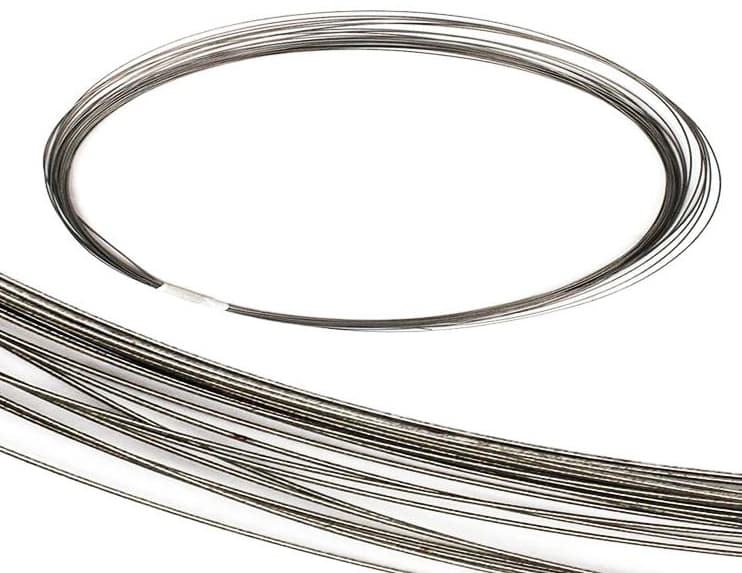
To maximize your production efficiency, you must understand the tool’s core design. “Annular” refers to a continuous ring or loop. Therefore, an annular electroplated diamond wire saw forms a closed circle, which is entirely different from traditional straight wires that spool back and forth.
Manufacturers create this tool by welding a high-strength steel core wire into a perfect loop. Next, they use an advanced nickel alloy electroplating process to bond diamond particles directly to the wire’s surface. This technology ensures high-strength diamond exposure without falling off. As a result, you get a continuous loop that runs smoothly in a single direction, completely eliminating the severe vibrations caused by direction changes in straight wire systems.
How Does an Annular Electroplated Diamond Wire Work
The reason this innovative tool completely transforms the processing efficiency of hard and brittle materials is due to its unique unidirectional physical movement and high-strength surface structure.
Continuous Loop Cutting Principle
Because the loop diamond wire runs continuously in a single direction, it maintains a constant and high cutting speed. You can operate these wires at speeds exceeding 30 to 60 meters per second. This unidirectional motion significantly reduces vibrations and ensures exceptional surface finish.
How Diamond Abrasives Remove Material
As the wire saw passes through your workpiece, the exposed diamond crystals act like tiny cutting teeth. They fracture and rapidly grind hard materials. Consequently, the high concentration of sharp diamonds ensures smooth, continuous material removal while minimizing stress on the workpiece.
Why Electroplated Diamond Provides Fast Cutting
Electroplating securely anchors the diamonds while leaving them heavily exposed. Unlike resin bond that hide the abrasive, electroplated diamond wires deliver highly aggressive cutting from the first second of operation. As a result, you can achieve faster feed rates and shorter cycle times.
What Materials Can Annular Electroplated Diamond Wire Cut
You can use this tool for demanding materials that frequently destroy conventional blades.
Silicon and Semiconductor Materials
When cutting monocrystalline or polycrystalline silicon, minimizing material loss is critical. Precision diamond wire with an ultra-thin kerf not only maximizes your yield but also prevents surface micro cracking on expensive semiconductor ingots.
Sapphire and Optical Glass
Sapphire is extremely hard and very difficult to machine. However, an annular electroplated diamond wire can cut through it cleanly and precisely. You’ll achieve excellent flatness and minimize subsequent lapping and polishing of optical components.
Quartz and Engineered Ceramics
Quartz and advanced ceramics are highly abrasive and brittle. The wire’s powerful cutting action can easily handle these hard materials. As a result, you can effectively reduce edge chipping and improve the overall yield rate.
Composite Materials
If you machine carbon fiber, fiberglass, or wind turbine blades, you know these materials are highly prone to clogging standard abrasives. Fortunately, the exceptional chip clearance of our electroplated technology prevents loading and ensures consistent cutting performance.
How to Choose the Right Annular Electroplated Diamond Wire
Selecting the precise specifications is critical to the success of your project. Use this step-by-step guide to match a loop diamond wire to your specific industrial application.
Select the Wire Diameter
First, determine your acceptable kerf loss and structural needs. Thinner wires (e.g., 0.3 mm to 0.6 mm) can save expensive materials such as silicon. Conversely, thicker wires (1.0 mm to 2.0 mm) provide higher tensile strength for cutting large graphite blocks or composite materials.
Choose the Right Grit Size
Next, match the diamond grit to your desired surface finish. Coarse grit removes material quickly but leaves a rougher texture. Conversely, fine grit slightly reduces cutting speed but produces a flawless, smooth surface finish.
Match the Wire to the Workpiece Material
Thoroughly evaluate the hardness and brittleness of the target material. For highly abrasive ceramics, you’ll need a high concentration of precision diamond wires to maintain the tool’s cutting life. Be sure to consult a technical advisor to determine the optimal diamond density.
Check Machine Compatibility
Finally, verify the exact loop length required by your wire saw machine. The annular diamond wire must tension on your machine’s drive and guide wheels to operate safely and efficiently.
Annular Electroplated Diamond Wire vs Other Diamond Wires
How does this technology compare to alternatives? Review this comparison chart to ensure you’ve selected the best tool for your facility.
| Features | Annular Electroplated | Resin Bond | Sintered | Beaded Diamond Wire |
|---|---|---|---|---|
| Cutting Speed | ⭐⭐⭐⭐⭐ | ⭐⭐⭐ | ⭐⭐⭐ | ⭐⭐⭐⭐ |
| Precision | ⭐⭐⭐⭐⭐ | ⭐⭐⭐⭐ | ⭐⭐⭐ | ⭐⭐ |
| Kerf Width | Small | Medium | Medium | Large |
| Typical Applications | Precision Cutting | Fine Cutting | Heavy Duty | Stone Quarry |
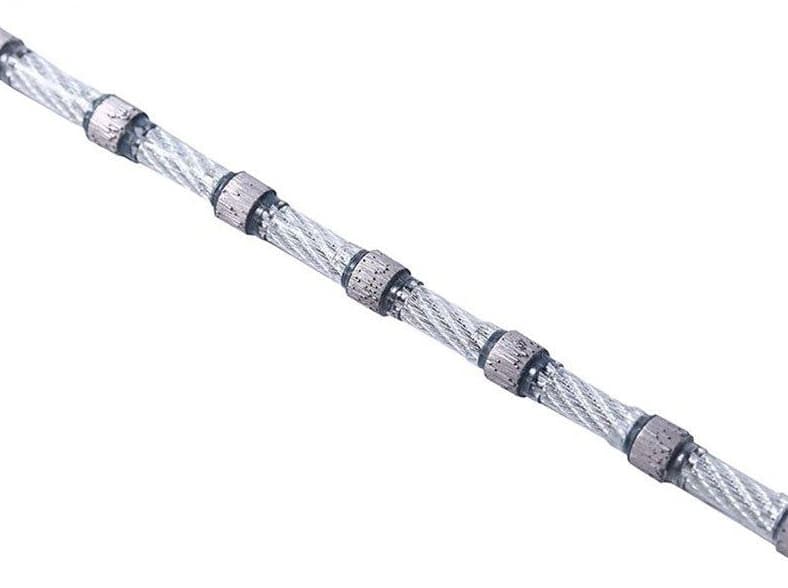
Based on this data, if cutting precision and speed are your top priorities, electroplated loop wire clearly offer an overwhelming advantage.
Conclusion
Upgrading to an annular electroplated diamond wire will completely transform your cutting efficiency. You’ll experience faster processing, minimal material waste, and exceptional surface quality. When working with high-value materials such as silicon, sapphire, or advanced composites, having the most suitable cutting tool is essential.
To optimize your production line, you need specifications fully customized to your machinery and the materials you’re cutting. Ready to take your cutting operations to the next level? Get a custom quote for our precision electroplated products today, and let our experienced engineers help you find the perfect solution.
Frequently Asked Questions
What is the difference between annular and endless diamond wire?
There is no difference between them. “Annular,” “Endless,” and “Loop” are interchangeable terms in the industrial and international sectors. They all refer to continuous, closed-loop diamond wire saws used for unidirectional, high-speed cutting.
What is the service life of electroplated diamond wire saws?
The actual service life of the tool depends largely on the material being cut, the cutting speed, and the wire diameter. Because we employ an advanced nickel alloy electroplating process, our wires offer industry-leading diamond retention, resulting in a significantly extended service life compared to standard resin bond wires.
Can diamond wire saws be customized?
Yes, absolutely. You can specify the exact wire length, wire diameter, and diamond grit size required for your specialized machinery and materials. We provide in-depth OEM customization for global industrial brands to meet specific cutting parameters.
Post time: Sep-04-2026