
Learning how to select the right grit for diamond cloth grinding discs directly determines your material removal rate, surface quality, and dimensional accuracy. When grinding superhard coatings or composites, you face unique challenges. There is no universal grit that works for every workpiece. Therefore, you must comprehensively evaluate material properties, initial surface condition, and final processing requirements.
Our high-performance diamond cloth discs offer consistent cutting power and exceptional flexibility. As a result, you can achieve ultimate efficiency without clogging. This guide will help you select the ideal abrasive grit for your specific industrial application.
What Does Grit Mean for Diamond Cloth Discs
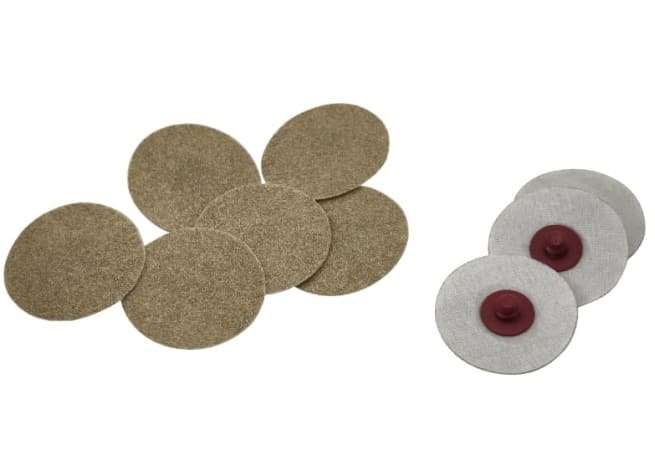
Grit refers to the physical size of the diamond particles bonded to the flexible cloth backing. Generally, the higher grit number presents the finer diamond particles. However, keep in mind that there are various abrasive standards worldwide. Therefore, you cannot simply convert grit numbers directly between different standards without technical references.
How Does Diamond Grit Size Affect Grinding Performance
The size of the diamond particles directly determines your cutting ability, material removal rate, and scratch depth. For example, larger diamond particles dig aggressively into the material surface. This action removes material quickly but leaves deep visible scratches. Conversely, smaller diamond particles remove material slowly. Ultimately, this finer grinding action produces a much smoother surface finish.
Coarse vs. Medium vs. Fine Diamond Grit
Understanding the different stages of grinding will help you maximize tool life. Below is a quick comparison table to guide your diamond cloth disc grit selection.
| Diamond Grit | Primary Grinding Goal | Material Removal Rate | Surface Finish Results |
|---|---|---|---|
| Coarse Grit | Heavy stock removal, leveling | Very high | Rough, deep scratches |
| Medium grit | Intermediate blending, shaping | Moderate | Semi-smooth, uniform |
| Fine grit | Surface finishing, polishing | Low | Very smooth, precise |
What Factors Should You Consider When Choosing Diamond Grit
You must never use material hardness as the sole selection criterion. Instead, you must evaluate multiple variables specific to each project to find the perfect grinding solution.
Material Type and Coating Hardness
Different hard materials behave differently under grinding pressure. For example, you must consider the specific wear characteristics of silicon carbide, tungsten carbide, and chromium carbide coatings. Extremely hard materials require the self-sharpening properties of the resin bond. This characteristic continuously exposes fresh, sharp micro-edges to prevent disc from becoming dull and slipping during operation.
Initial Surface Condition and Material Removal Requirements
Next, you must evaluate the initial condition of the workpiece. If the surface has significant overspray or severe unevenness, you’ll need to use an aggressive coarse grit. Conversely, if the initial surface is relatively flat, using a coarse grit right away will only waste time. Furthermore, aggressive grinding on a smooth surface can cause unnecessary damage.
Desired Surface Finish and Dimensional Accuracy
Finally, you must clarify the final tolerance requirements. Precision dimensional machining requires strict adherence to grit progression.
Follow this quick troubleshooting checklist for grit selection:
Confirm Hardness: Does the coating self-sharpening characteristic of resin discs?
Assess roughness: How much overspray or uneven material currently exists?
Define Tolerances: What is the maximum allowable surface roughness (Ra)?
Select the starting grit size: Choose a grit that is just sufficient to level the highest spots.
How to Choose the Right Grit for Different Grinding Stages
Achieving a perfect surface finish typically requires a multi-step process. Therefore, you must match the correct diamond cloth disc to each specific processing stage.
Coarse Grit for Heavy Material Removal
Use coarse grit when you need to remove thick coatings or correct major dimensional defects. Because our premium resin bond not only holds the diamonds securely but also provides a cushioning effect, these discs deliver efficient leveling. This allows you to quickly reshape hard composite materials without clogging the abrasive surface.
Medium Grit for Intermediate Grinding
After initial leveling, you must move on to the intermediate step. Medium grit effectively removes the deep scratches left by coarse grit diamonds. This step prepares your workpiece for the final finishing stage by creating a uniform surface texture.
Fine Grit for Surface Finishing
Finally, you apply the fine grit to meet strict surface roughness specifications. The fine diamond particles gently refine the surface without causing significant gouges. As a result, you can safely achieve precise dimensional tolerances and deliver a high-quality finish on hard coated parts.
How to Select Diamond Cloth Disc Grit for Thermal Spray Coatings
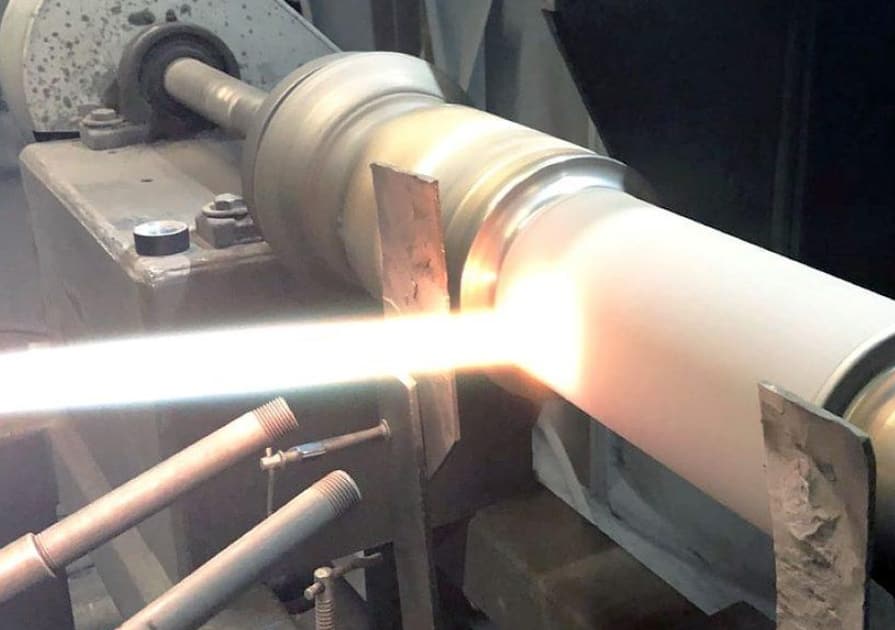
Thermal spray coatings require specialized abrasive strategies due to their high density. Selecting the appropriate Z-LION diamond cloth grinding discs ensures superior finishing and precise dimensioning for these challenging hard-coating materials.
Grit Selection for Silicon Carbide Coatings
Silicon carbide is extremely hard and very brittle. Therefore, you must balance between consistent cutting power with controlled application pressure. If the grit size you use generates excessive cutting force, it may cause microcracks in the coating. Consequently, you should select a grit size sequence that prioritizes smooth, consistent material removal.
Grit Selection for Tungsten Carbide Coatings
Tungsten carbide coatings are highly resistant to conventional abrasives. Therefore, you need to employ a strategic progression of diamond grit to achieve efficient cutting. You must carefully evaluate the machining allowance. The correct grit selection ensures that you do not generate excessive heat, thereby preventing permanent damage to the expensive coating.
Grit Selection for Chromium Carbide Coatings
Chromium carbide requires extremely precise material removal. First, you must measure the initial surface roughness. Next, you need clearly define the final quality requirements before finalizing the grinding sequence. By selecting the optimal grit size, you can achieve an outstanding finish while preserving the integrity of the chrome carbide layer.
Conclusion
Selecting the appropriate abrasive grit maximizes your production efficiency and minimizes tool wear. You must always take into account the initial surface condition, the specific coating hardness, and the final finish requirements. By using high-quality flexible diamond tools, you’ll achieve outstanding polishing capabilities and consistent surface quality.
Ready to boost your grinding efficiency on superhard composites and thermal spray coatings? Contact our technical sales team for a quote and to find the most suitable diamond cloth grinding disc specifications for your next industrial project.
Frequently Asked Questions
What is the best grit for diamond cloth discs?
There is no single “best” grit size. The optimal grit size depends entirely on the hardness of your material, the initial surface condition, and the final surface finish requirements.
What grit size should I use when grinding hard coatings?
You should start with a coarse grit for heavy-duty material removal. Afterward, you must gradually transition to medium and fine grits to achieve the precise dimensional accuracy required for hard coatings.
Do I need multiple grit sizes when using diamond cloth discs?
Yes, achieving high-quality surface finish typically requires a multi-step process. Generally, you start by leveling the surface with a coarse grit, then gradually transition to finer grits to eliminate scratches.
How do you select the appropriate grit for thermal spray coatings?
You must evaluate the specific coating type (such as tungsten carbide or chromium carbide), determine the initial overspray thickness, and establish the final dimensional tolerance requirements before selecting the starting grit size.
Post time: Nov-13-2026