
Whether you’re finishing stone countertops, polishing tiles, or sanding composite materials, you may encounter processing bottlenecks. When power sanders can’t reach confined areas, mastering how to sand tight corners by hand becomes crucial. Power tools excel on flat surfaces but often struggle to reach deep grooves or narrow crevices. Therefore, achieving a uniform finish still requires manual work. Additionally, using the wrong abrasive or method can easily damage the workpiece.
To address this, we recommend high-efficiency tools designed for hard materials, such as flexible diamond hand polishing sheets. When sanding hard-to-reach corners, manual sanding remains the most reliable solution. By selecting the right abrasive and applying consistent pressure, you can achieve the ideal surface quality required for demanding projects.
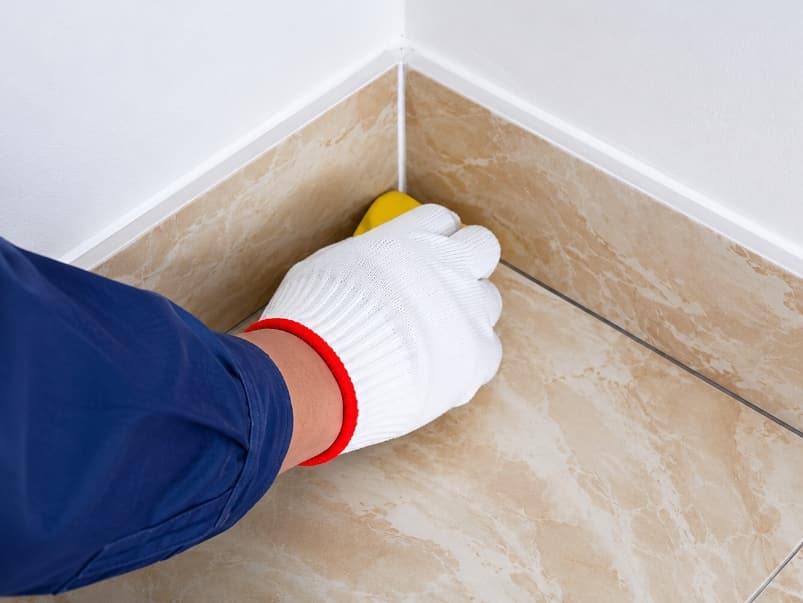
Why Tight Corners are Hard to Sand
There are several common challenges when sanding narrow corners by hand. First, limited space makes it difficult to apply even pressure, causing uneven finish or deep scratches.
Second, it is easy to round off sharp edges when sanding corners. For example, if you sand directly by hand without a rigid backing, 90-degree inside corners quickly lose their sharpness.
Finally, traditional abrasives are often inefficient when working with industrial hard materials such as granite, quartz, ceramic, or fiberglass-reinforced plastic (FRP). Silicon carbide or aluminum oxide sandpaper wears down rapidly, while the dust generated by resin composites can clog the sandpaper and generate heat. Therefore, it is recommended to use professional corner sanding tools designed for hard materials.
Best Tools for Hand Sanding Tight Corners
Selecting the appropriate corner sanding tool depends on material and application. Below is a comparison of common manual sanding tools.
Folded Sandpaper for Quick Touch-Ups
Folding sandpaper into thirds reduces friction between the abrasive surfaces. However, it lacks rigid support, making it prone to warping when sanding inside corners and difficult to maintain precise lines.
Sanding Sponge for Light Finishing
Flexible sanding sponges conform to curves and irregular surfaces. They are also suitable for wall corners or drywall joints. However, the soft core of the sponge lacks the rigidity needed to sand straight edges; even slight misjudgment of pressure can round off the edges. Additionally, it lacks the flexibility required for sanding small corners.
Pointed or Triangular Hand Sanding Block
Sanding tools with pointed tips designed for corners provide rigidity for flat surfaces. Ergonomic PU sanding blocks, equipped with hook-and-loop fasteners, allow for quick changes between sanding belts or polishing pads. Their tips reach narrow corners while maintaining even pressure. While small sanders designed for tight spaces can address some issues, manual sanding blocks offer better tactile feedback.
Electroplated Diamond Hand Pads for Hard Materials
When working with materials such as stone, ceramics, glass, or carbon fiber composites, traditional abrasives often exhibit low cutting efficiency. Electroplated diamond polishing pads use a nickel alloy plating process exposing 100% of the diamond surface. This structure provides greater cutting power and reduced heat buildup. Because the diamond particles are unlikely to fall off, this tool performs well when grinding narrow corners and high surfaces.
Step-by-Step Guide: How to Sand Tight Corners by Hand
Follow these steps to master grinding in tight corners while minimizing damage.
| Workpiece Material | Recommended Tools | Grit Range | Dry or Wet |
|---|---|---|---|
| Solid Wood and MDF | Triangular PU sanding block / Aluminum oxide sandpaper | 120–220 grit | Dry only |
| Granite and Quartz | Electroplated diamond hand polishing pads | 60–400 grit | Recommended for wet grinding |
| Ceramic and Glass | Flexible diamond discs + rigid grinding blocks | 120–400 grit | Recommended for wet grinding |
| Fiberglass and Carbon Fiber | Electroplated diamond polishing pads | 120–400 grit | Suitable for both wet and dry use |
Choose the Right Grit
Start with the finest grit that handle the defect. For example, if you only need to remove minor burrs, using a coarse hand pad will leave deep scratches. A safer approach is to start with 120 grit for roughing.
Match the Tool Shape to Corner
Ensure the tool fits the inside corner. For sharp 90-degree inside corners, prioritize flat, rigid grinding blocks; for curved inside corners, semi-flexible hand polishing pads are more suitable.
Sand with Light and Even Strokes
Avoid forceful fingertips pressure. Move the tool parallel to the corner; circular motion will leave visible marks.
Clean Dust or Debris between Grit Changes
Be sure to clean the surface before switching to finer grit. Residual coarse particles often remain in hard-to-reach corners; if trapped beneath the fine polishing pad, they can cause severe secondary scratches.
Finish Wet or Dry Depending on Material
For stone, glass, and tile, wet sanding is strongly recommended. Water lubricates the cutting surface, removes debris, and suppresses dust. Wood should be dry to avoid swelling.
Best Hand Sanding Method by Material
Different materials react differently to friction and cutting, so manual sanding techniques must be adjusted according to the specific material.
Wood Corners
When sanding the corners of wood joints, be sure to work along the grain. Sanding across the grain can leave noticeable scratches that will be more visible. Use a triangular block wrapped in fine sandpaper as a support to keep the inside corners of wooden boxes or cabinet frames smooth.
Tile and Ceramic Corners
Porcelain and glazed ceramic are brittle. It is recommended to wrap a 120 grit electroplated diamond disc around a hard block for use. When sanding, gently scrape outward to avoid applying direct pressure toward the inner side of the glaze.
Stone Edges and Inside Corners
Natural and engineered stone require high-hardness abrasives. When grinding the inside corners of granite or quartz, it is recommended to use a rigid diamond hand polishing pad. Keep the surface moist to improve efficiency and prevent overheating.
Fiberglass and Composite Materials
Grinding composite such as carbon fiber generates fine dust, and their resin matrix can soften or melt when heated. To minimize clogging, we recommend using electroplated diamond tools with grid pattern, as these patterns help disperse dust more quickly.
Conclusion
Mastering how to sand tight corners by hand does not require complex machinery. The key lies in selecting the appropriate abrasive and maintaining steady hand control. Using professional tools can improve efficiency and surface quality.
Z-LION Diamond Tools offers electroplated diamond hand polishing pads, flexible grinding discs, and ergonomic grinding blocks using advanced nickel-alloy plating. If you are seeking durable, clog-resistant tools for, please contact Z-LION Industrial Tools expert team for a customized quote and consultation.
Frequently Asked Questions
What is the best grit for sanding tight corners?
The starting grit depends on the material and imperfections. Coarse grinding and shaping of stone or tile typically starts at 120 grit.
Can I sand inside corners by hand without a power tool?
Yes. In tight spaces, manual sanding is often the better choice. It provides better tactile control and reduces the risk of damaging adjacent surfaces due to over-sanding with machinery.
Is wet sanding better for tile or stone corners?
Yes. For hard materials such as stone, tile, and glass, wet grinding helps cool the surface, remove debris, suppress dust, and extend the life of diamond tools.
Are diamond hand pads worth it for small repair jobs?
Yes. Although the initial cost of diamond tools is higher than traditional sandpaper, they cut faster. Making them cost-effective for hard materials.
What tool is best for sanding sharp angles without rounding them off?
A hard PU hand sanding block or a diamond hand sanding pad with flat base are both ideal choices. They provide stable support and maintain sharp edges.
Post time: Jun-05-2026