-
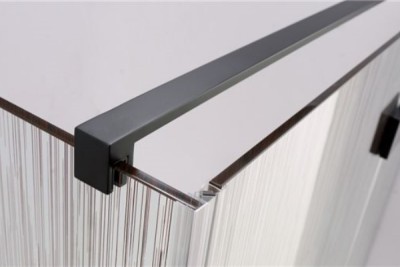
When working with glass, sharp edges can sometimes be created, easily causing cuts and injuries. Whether you’re dealing with broken glass, glass for a DIY project, or freshly cut glass, for safety reasons, you must sand down the sharp edges. Smooth with Sandpaper 1. Prepare materials: You’ll n...Read more »
-
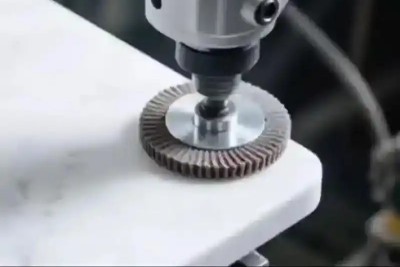
In the processing of engineered stone, precise cutting and grinding are essential for achieving factory-grade finish. As a fabricator, you need the right quartz edge polishing tools to complete your work efficiently. Choosing the wrong abrasive not only wastes valuable time but can also damage ex...Read more »
-
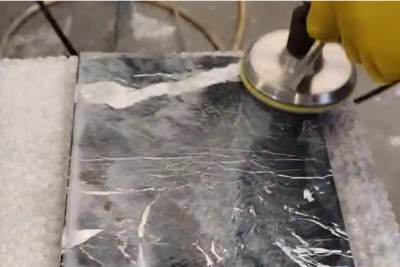
Granite is one of the hardest natural stones, making it an ideal choice for countertops, floors, and other surface materials due to its durability and beauty. However, in some cases, granite surfaces may require polishing, such as removing imperfections, preparing for installation, or achieving a...Read more »
-
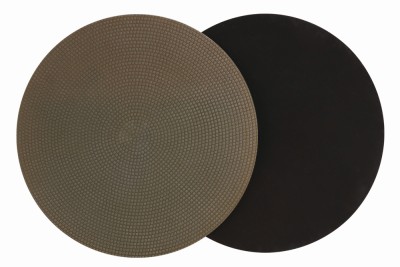
Ceramic products are highly sought after for their unique texture, durability, and aesthetic appeal. However, over time, ceramic surfaces may develop scratches, dullness, or stains, affecting their appearance and overall look. To address these issues, ceramic polishing pads have emerged as essent...Read more »
-
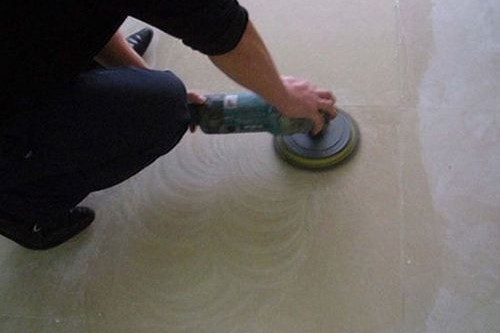
Tile Polishing Method There are several ways to polish ceramic tiles, each with its own advantages and disadvantages: 1. Hand polishing: Description: This method involves manually sanding the tile surface using sandpaper or abrasive discs. Benefits: Manual polishing allows for precise control of...Read more »
-
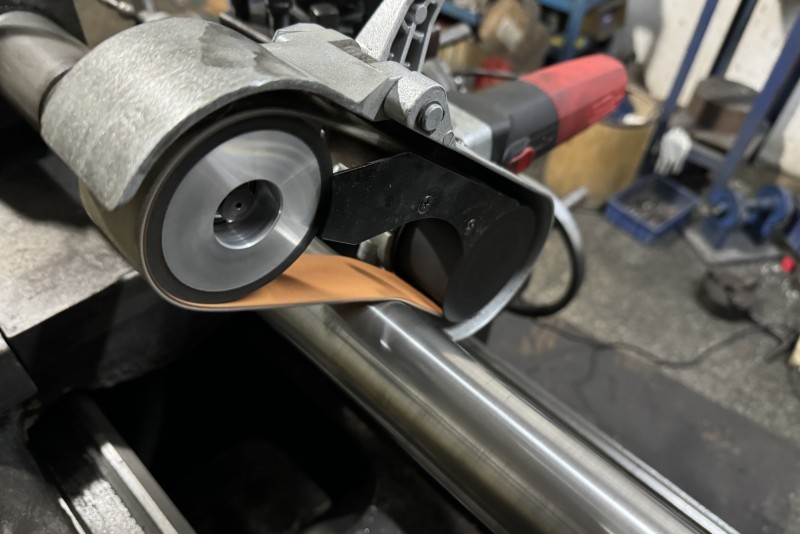
1. Choose the Right Sanding Belt The choice of abrasive belt is crucial to reducing sparks during grinding. Here are some considerations: Grit size: Choose a fine or extra-fine belt. These belts have less friction and generate less frictional heat than coarse belts, thus preventing sparks. Fine b...Read more »
-
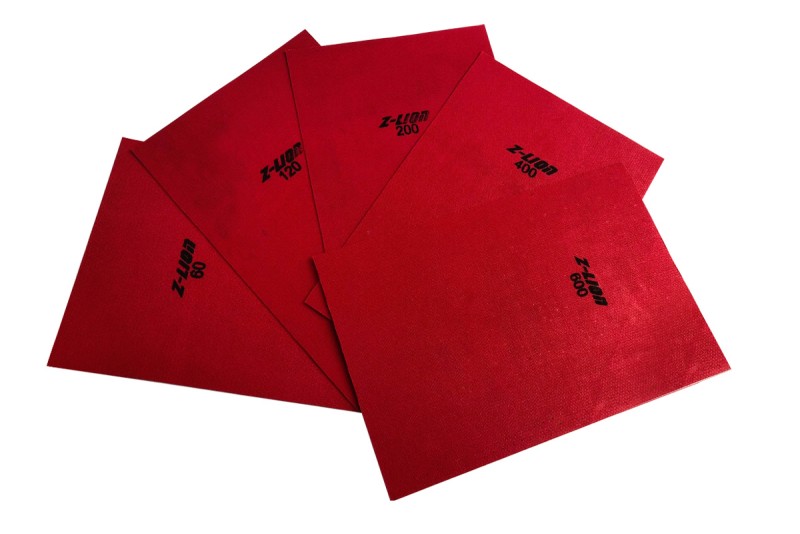
When working with stone, choosing the right sandpaper grit size is crucial for achieving the desired surface finish and quality. Sandpaper grit refers to the size of the abrasive particles embedded in the paper, which directly affects its ability to grind, shape, and polish the stone surface. Thi...Read more »
-
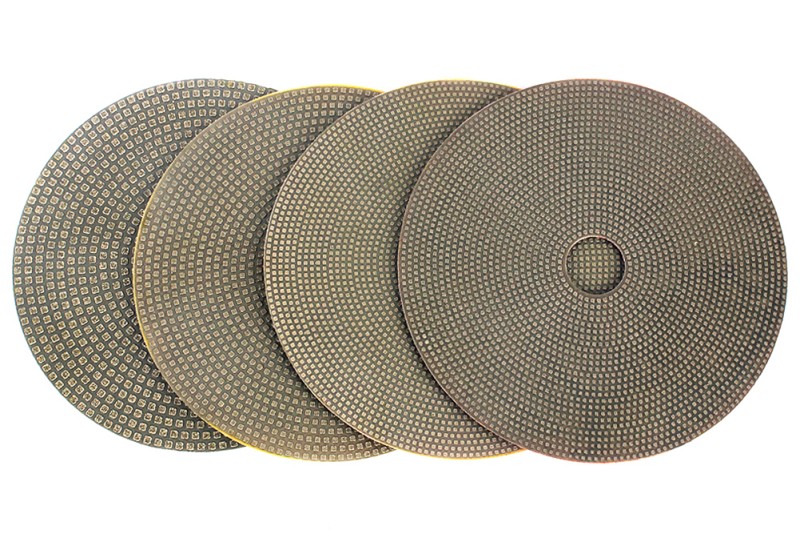
When grinding concrete floors, choosing the right abrasive disc is crucial to achieving the desired results. The choice of disc significantly impacts the efficiency, quality, and finish of the concrete surface. The two most common types of abrasive discs are diamond discs and resin discs. Each ha...Read more »
-
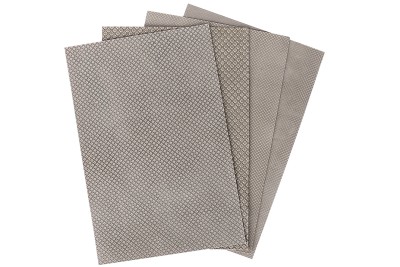
Stone polishing is a meticulous process that requires careful selection of the appropriate grit sandpaper or abrasive pad. Grit size directly affects the final finish of the stone surface, so the appropriate grit size must be selected based on the hardness of the stone and the desired polishing e...Read more »
-
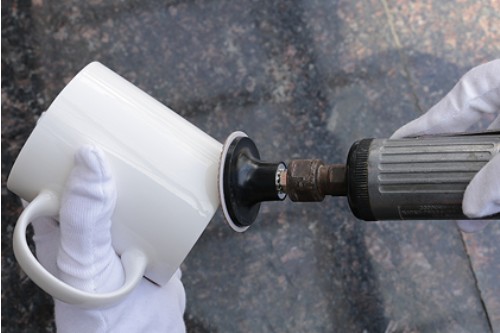
Diamond grinding wheels are essential tools for machining hard and brittle materials, particularly ceramics. Their unique properties stem from the hardness of diamond, making them ideal for high-precision and efficient grinding. Basic Properties of Diamond Grinding Wheels Diamond is recognized a...Read more »
-
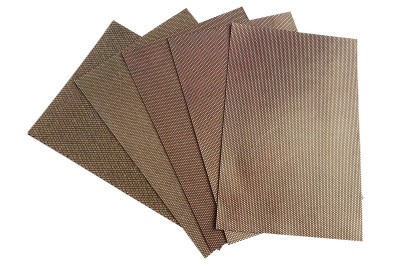
In the world of grinding and polishing, grit size is a key factor in determining the final finish of a material. Among various grit grades, 2000-grit sandpaper stands out as a specialized tool designed for high-precision grinding and polishing. With an average abrasive particle diameter of approx...Read more »
-
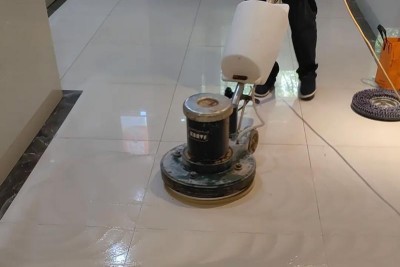
Welcome to this ultimate guide on tile polishing. Successful tile polishing requires the right techniques and high-quality tools. Therefore, before starting any project, you must fully understand the material of your tiles. For example, edge finishing is very different from surface restoration. T...Read more »