-
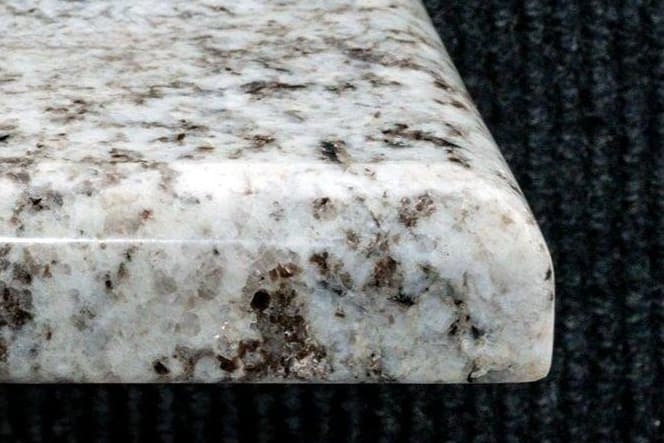
Creating a high-quality half bullnose edge countertop requires extreme precision and the right tools. When working with stone or composite materials, achieving a smooth, consistent curve is essential. Therefore, you’ll need reliable equipment to prevent chipping and uneven lines. This guide will ...Read more »
-
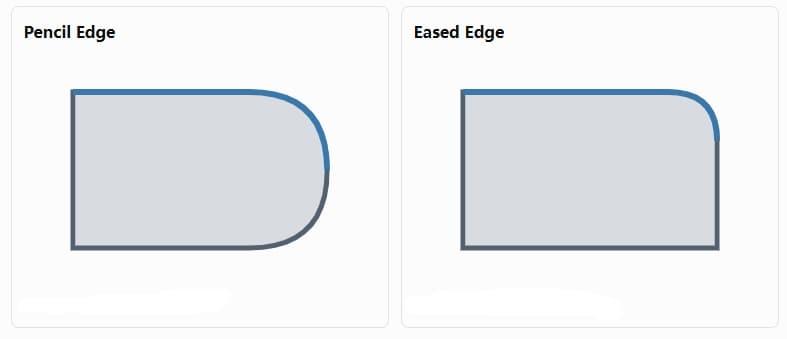
When fabricating stone countertops, choosing the right edge profile is crucial. Your customers expect a flawless surface finish. Therefore, you must clearly understand the difference between a pencil edge and an eased edge. Both of these countertop edge profiles deliver a clean, modern look. Howe...Read more »
-
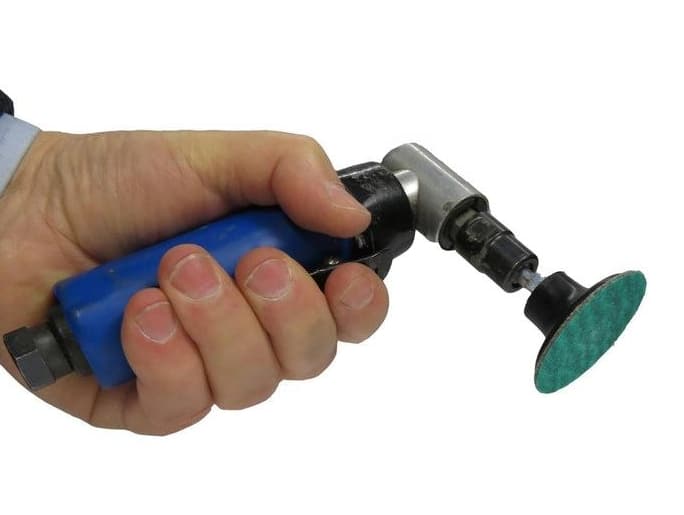
When you need to quickly process hard materials, knowing how to properly attach Roloc diamond discs can save valuable production time. Traditional abrasive mounting methods require the use wrenches and significant downtime. In contrast, the Roloc mounting system allows you to change discs of diff...Read more »
-
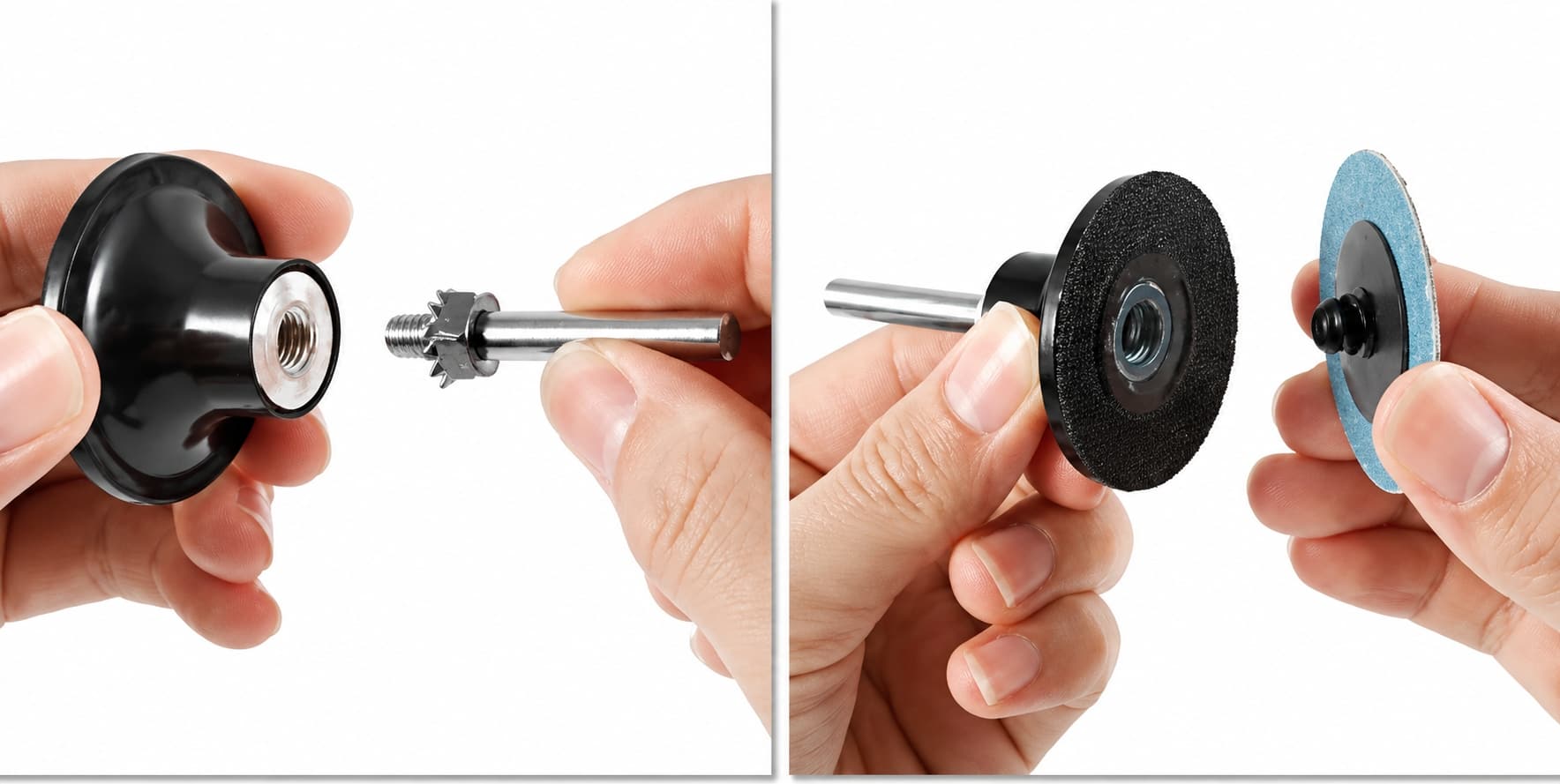
When grinding or polishing metals and composites, tool downtime eats into your profits. Every minute you spend wrestling with a wrench to change a grinding pad reduces your overall productivity. That’s why professional fabricators rely heavily on Roloc quick change system to streamline their oper...Read more »
-
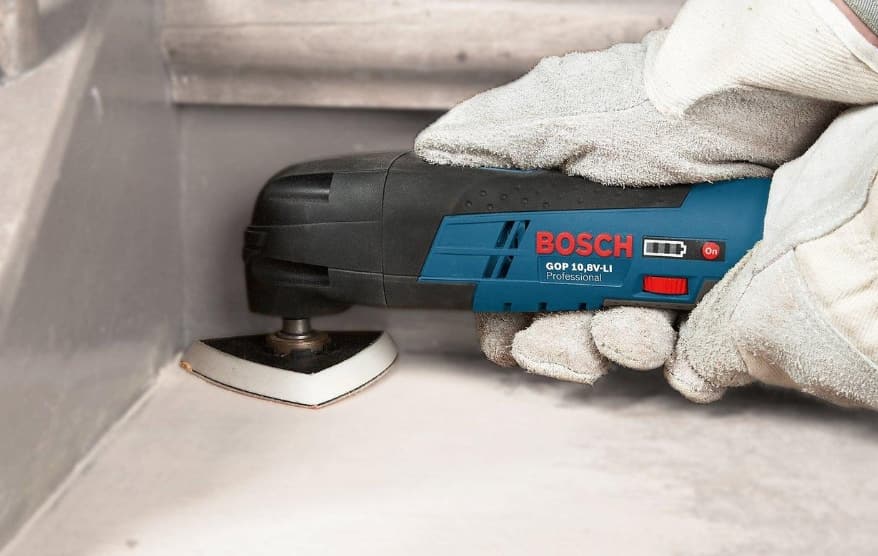
When you need to polish hard materials in tight corners, electroplated delta diamond polishing pads offer the most aggressive and efficient solution. Standard round pads simply cannot reach inner corner areas. As a result, professional machinists rely on these specialized tools for precise detail...Read more »
-

If you’re a stone fabricator, you’ve likely noticed that customers are increasingly requesting eased edge countertops for modern kitchens. This specific countertop edge profile perfectly combines clean, geometric look with practical daily durability. Therefore, accurately understanding what an ea...Read more »
-
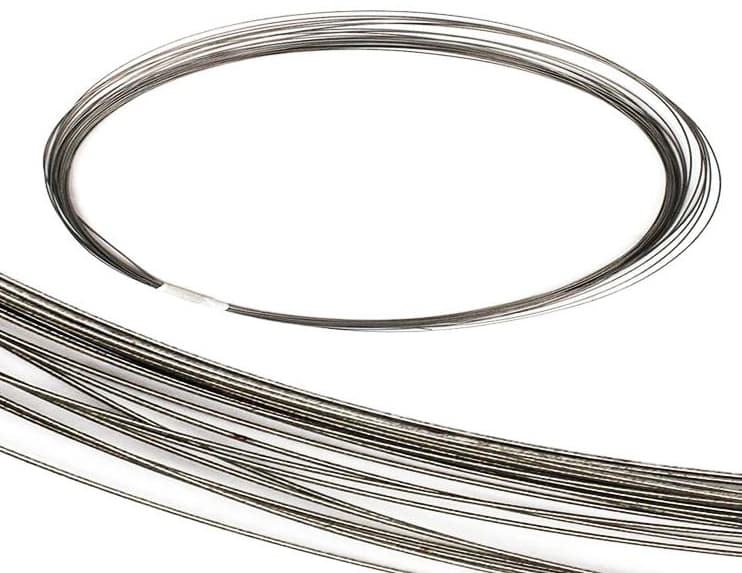
When you need to cut hard, brittle materials with minimal kerf loss, standard cutting tools often fail. Annular electroplated diamond wires offer the ultimate solution for your high-precision slicing. If you’re struggling with material waste or slow cutting speeds, this advanced abrasive tool del...Read more »
-
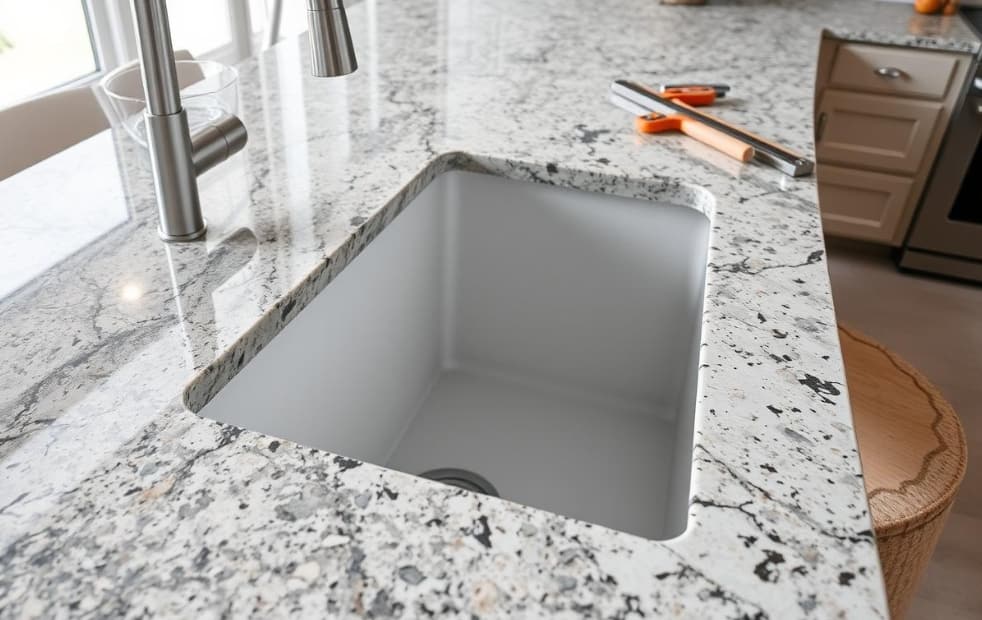
When you cut and polish granite undermount sink profiles, precision directly determines your professional reputation. Chipped edges or uneven cutouts can easily ruin an expensive slab. Therefore, you need a systematic approach and reliable tools to execute this task. First, you must understand ho...Read more »
-
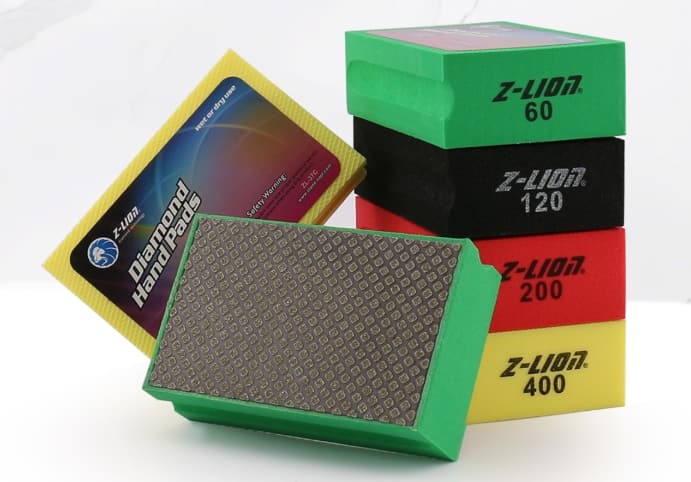
Professionals frequently use electroplated diamond hand pads to trim edges and polish the surfaces of hard materials like stone, glass, ceramics, and concrete. However, many contractors often face a critical question on job sites: Should diamond hand pads be used wet or dry? Choosing the correct ...Read more »
-
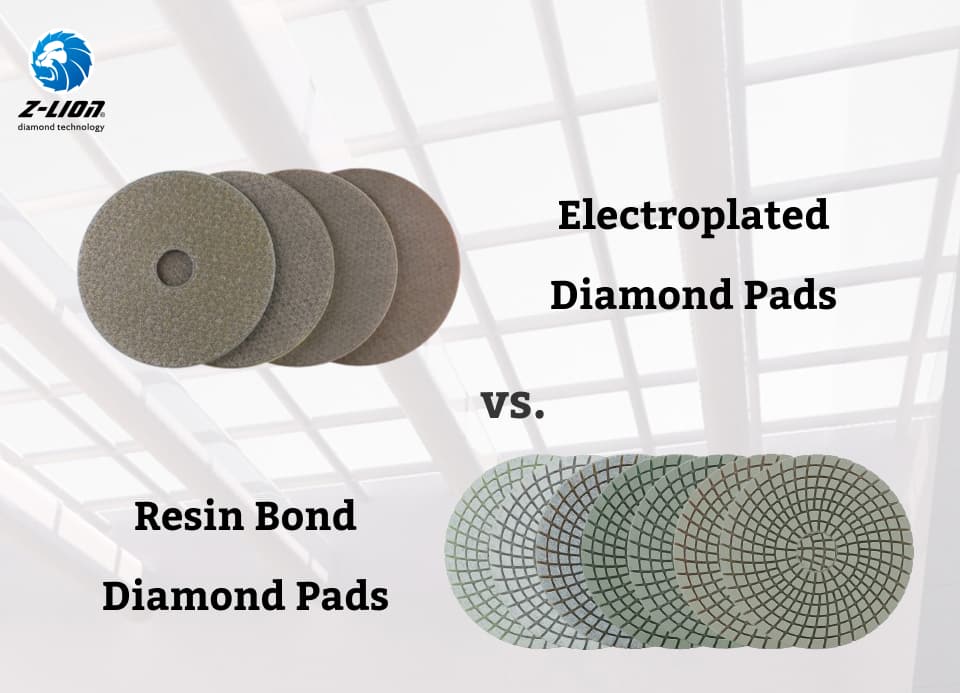
When tackling demanding machining projects, choosing the right abrasive directly determines your productivity and the final surface quality. Therefore, it is crucial to have a thorough understanding of the differences between electroplated vs resin bond diamond pads for any professional contracto...Read more »
-
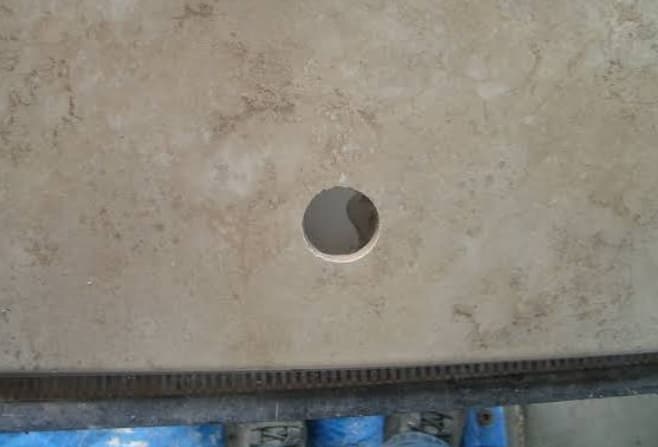
When drilling holes in tile, you often encounter a frustrating problem. The drill bit breaks through, leaving jagged, sharp edges behind. Therefore, mastering how to smooth edges of drilled holes in tile is an essential skill for any contractor. Proper edge finishing not only prevents injuries du...Read more »
-
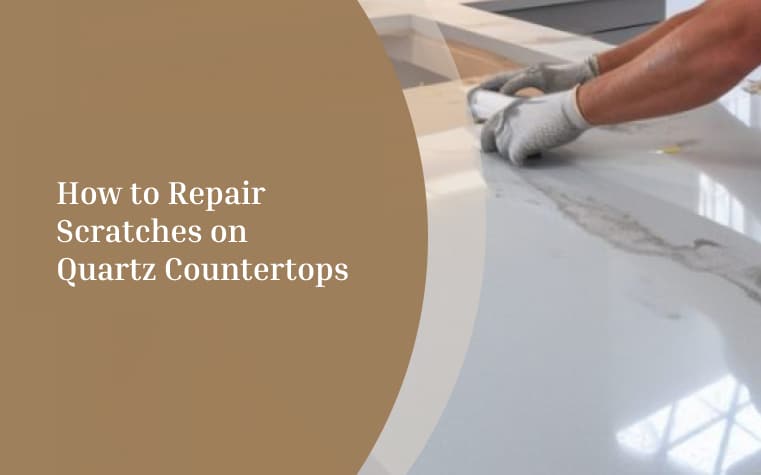
When you need to repair scratches on quartz countertops, you must balance restoring the surface with protecting the factory finish. As a fabrication professional or installer, you frequently encounter surface damage on job sites. But customers expect a flawless result. First, you must accurately ...Read more »