
If you work with composites, glass, or hard stone, you may know that standard abrasives wear out or clog quickly. When searching for a better alternative, industry experts consistently recommend electroplated technology. But exactly what are electroplated diamond tools, and how do they solve these everyday machining issues?
In this comprehensive guide, we’ll delve into exactly what these tools are and how they can maximize your productivity. To start, browse our extensive range of electroplated diamond tools, designed specifically to tackle your most demanding applications.
What are Electroplated Diamond Tools
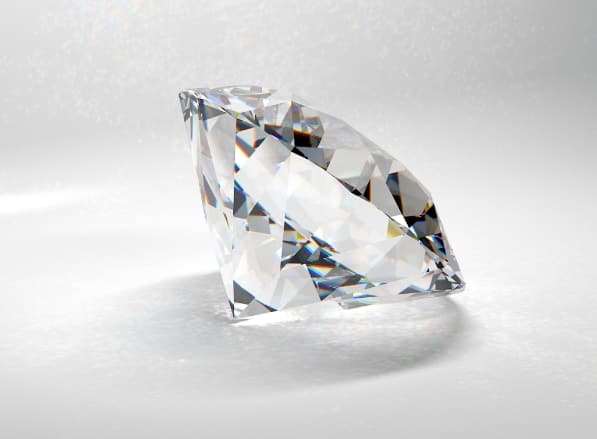
So, what exactly are electroplated diamond tools? At their core, they are extremely efficient cutting and grinding tools. Manufacturers use advanced electroplating processes to bond a single layer of industrial diamond particles directly to a metal core. This creates an exceptionally aggressive cutting surface.
Unlike sintered tools, the diamonds are fully exposed on the surface. As a result, you get a tool that cut faster and resists clogging when machining demanding materials.
How are Electroplated Tools Constructed
Understanding their construction helps you grasp why electroplated tools perform so well on job sites. Next, we’ll break down their physical characteristics.
What Do Electroplated Diamond Tools Look Like
Visually, electroplated tools have a highly metallic appearance and texture. They often feature distinct dot or square patterns when applied to flexible pads. In contrast, they present a hard, rough metallic coating on rigid grinding wheels. Additionally, their surfaces gleam slightly due to the exposed diamonds and the nickel coating.
What is the Structure of These Electroplated Tools
The structure of any electroplated tool relies on four specific layers. Each layer plays a key role in the tool’s durability and performance.
Metal substrate: This is the foundational body. We typically use steel, aluminum, or a heavy-duty flexible fabric backing.
Nickel bond/coating: The electroplated diamond bond uses a tough nickel alloy to lock the diamonds firmly in place.
Diamond particles: High-grade synthetic industrial diamonds provide powerful cutting action.
Exposed working layer: Since the nickel only partially covers the diamonds, the tips remain 100% exposed for maximum sharpness.
How Do Electroplated Diamond Tools Work
How exactly do these tools remove material so efficiently? The secret lies in the electroplated diamond technology itself. Because the diamonds are highly exposed, they act like thousands of tiny, sharp teeth. Consequently, when the tool rotates or rubs against the workpiece, these exposed points actively shave away material. Unlike resin bond abrasives, which must wear away to expose new diamonds, electroplated diamond coatings are instantly ready for use. This provides exceptional heat dissipation and fast material removal.
Advantages and Limitations of Electroplated Diamond Abrasives
Every professional needs the right tools. Below is a quick comparison chart to help you evaluate electroplated diamond abrasives for your next project.
| Tool characteristics | Advantages | Limitations |
|---|---|---|
| Cutting speed | Extremely aggressive and fast stock removal. | Single layer means limited lifespan once heavily worn. |
| Clogging resistance | Excellent chip clearance; rarely clogs on composites. | Not suitable for polishing to a mirror finish. |
| Shape retention | Metal core retains its exact profile during use. | Cannot be dressed or reshaped like resin bond tools. |
| Heat generation | Excellent heat dissipation prevents workpiece burning. | Requires careful operator pressure management. |
Common Types of Electroplated Diamond Products
You’ll find this technology applied in a variety of forms. Below are the most common electroplated diamond products you’ll encounter in industrial applications.
Electroplated Diamond Hand Pads
These flexible foam pads feature a highly abrasive electroplated diamond surface with distinct dot or square textures. As a result, they offer excellent grip and control. You’ll typically use these hand polishing pads for manual polishing, edge chamfering, and detail finishing on hard glass or stone surfaces.
Diamond Sandpaper
This tool consists of extremely flexible sheets coated with a durable electroplated diamond layer. Unlike standard abrasives that wear down quickly, this sandpaper consistently maintains sharp edges. As a result, you’ll use it specifically for hand sanding complex profiles and tight corners on hard composite materials.
Diamond Sanding Belts
These continuous flexible sanding belts utilize advanced anti-shedding electroplated diamond technology. Because the diamonds are firmly bonded, they can withstand extreme friction. Consequently, you can mount these belts on automated sanding machines for high-speed, heavy-duty material removal over large areas.
Diamond Flap Discs
We manufacture these angle grinder discs using overlapping flaps of electroplated diamond material. This unique design allows airflow while continuously exposing sharp cutting edges. Thus, you can use them for rapid shaping, chamfering, and heavy stock removal on sticky materials without worrying about clogging.
Electroplated Diamond Grinding Wheels
These rigid tools feature a solid steel or aluminum core coated with a precise single layer of diamond. The metal base ensures the grinding wheel never loses its precise shape during operation. As a result, you can rely on these wheels for precision profile grinding, foundry work, and forced shaping of super hard materials.
Electroplated Diamond Core Drill Bits
These are hollow cylindrical steel tubes with robust electroplated diamond cutting edges. The exposed diamonds quickly slice through hard, brittle surfaces. For example, you can use these drill bits to drill extremely clean, precise holes in glass, tile, and engineered stone without causing edge chipping.
What Materials Can Electroplated Tools Process
Electroplated tools excel when cutting materials that typically damage conventional abrasives. For example, they are the best choice for composites such as fiberglass, carbon fiber, and wind turbine blades. Because they resist clogging, they process these sticky materials effortlessly. In addition, they perform flawlessly on hard, brittle materials. Therefore, you can confidently use them on natural stone, engineered stone, glass, ceramics, and super hard industrial coatings.
How to Choose the Right Electroplated Diamond Tool
Choosing the right tool ensures maximum efficiency and safety. Follow this step-by-step checklist to find the perfect match for your application.
Choose the Tool Type
First, assess your specific task. If you need rapid stock removal on a flat surface, choose diamond flap discs. Conversely, if you’re performing manual detailing work, opt for diamond hand polishing pads.
Choose the Right Diamond Grit
Next, carefully select your grit size. Use coarse grit (such as 30/40 or 60) for aggressive shaping and rapid material removal. Alternatively, use fine grit (such as 200 or 400) for smoothing and surface preparation.
Consider Wet or Dry Processing
Third, assess your work environment. While many electroplated tools can run dry, using a water coolant can significantly extend their service life. Therefore, always verify whether your specific application allows for wet cutting.
Match the Tool to Your Machine
Finally, verify the technical specifications. Ensure that the grit size, RPM rating, and tool dimensions perfectly match to your angle grinder, belt sander, or CNC machine.
Summary
In summary, understanding what electroplated diamond tools are will help you optimize your entire workflow. These tools deliver unmatched sharpness, excellent heat dissipation, and zero clogging for your most demanding tasks. Whether you’re shaping carbon fiber or smoothing stone edges, you need durable, reliable equipment.
So, if you’re looking to boost your machining efficiency, we’re here to help. Browse our full range of high-performance electroplated diamond tools and abrasives, or contact our expert team today for a customized quote tailored to your industrial needs.
FAQs
What are electroplated diamond tools made of?
They consist of a metal or flexible substrate, a layer of high-quality synthetic diamond particles, and a durable nickel alloy coating that firmly bonds the diamonds to the base.
How long do electroplated diamond tools last?
Service life depends largely on the material you’re cutting and your operating speed. Because they have only a single layer of exposed diamond, they cut much faster but may have shorter lifespan than multi-layer sintered tools. However, using water as a coolant can significantly extend their service life.
Are electroplated diamond tools better than resin bond tools?
That depends entirely on your specific goals. Electroplated tools are much better for fast, aggressive material removal without the risk of clogging, especially on composites and hard stone. Conversely, resin bond tools are better suited for achieving a final high-gloss polish because they wear down slowly to expose finer diamonds.
Post time: Feb-03-2023