
When you need to machine extremely hard materials, choosing the right tools is critical. Therefore, using high-quality electroplated diamond abrasives can help you achieve precise cuts and smooth surfaces on challenging workpieces. Among these, electroplated polishing pads are a typical example. By gaining a deep understanding of how these tools work, you can more easily optimize your manufacturing processes.
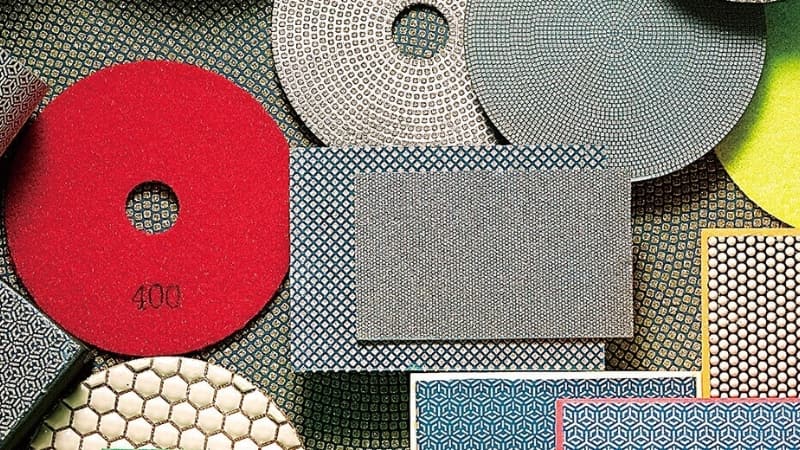
What are Electroplated Diamond Abrasives
Synthetic diamond particles offer exceptional hardness. Consequently, the industry commonly uses electroplated diamond abrasives to grind, shape, and polish hard materials that would rapidly wear down standard silicon carbide or aluminum oxide grinding wheels.
These abrasives typically consist of a dense layer of diamond particles bonded to a steel substrate. As a result, this structure maintains strong cutting performance throughout the tool’s service life. Today, professionals in industries such as optical lens manufacturing, watchmaking, and semiconductor production rely on these tools to meet strict quality standards.
How Electroplated Diamond Abrasives Work & Their Advantages
To select the right abrasive tool, you should understand the manufacturing process and performance characteristics of these tools.
The Electroplating Bond Process
During manufacturing, a nickel layer is electrochemically deposited onto a steel substrate. This nickel layer firmly anchors the diamond particles. In contrast, traditional resin-bonded abrasives require wear during use to expose new abrasive grains. However, the electroplating process allows up to 50% of the diamond crystals to be directly exposed on the surface. As a result, you achieve an extremely aggressive cutting performance from the start.
Key Advantages of Electroplated Diamond Abrasives
These tools offer the following distinct advantages:
Lower operating temperatures: Because the exposed diamond particles dissipate heat rapidly, you can reduce the risk of thermal damage to the workpiece.
Suitable for complex shapes: Electroplating can be applied to steel substrates of almost any geometry, making customization easy.
Lower Initial Investment: The manufacturing process is relatively simple and does not require sintering equipment. As a result, even small-batch custom electroplated grinding tools cost resonable.
Reusable substrate: When the abrasive layer wears out, the old nickel plating can be stripped and the substrate replated. This enables long-term savings on material costs.
Main Types of Electroplated Diamond Abrasives by Function
Depending on your specific machining objectives, you can choose tools for rough grinding, precision shaping, or fine polishing.
Rough Grinding and Deburring Tools
Typically, these tools can be used on CNC machines, pneumatic grinders, or hand tools. They can quickly remove weld seams, casting flash, and burrs from hard materials. Because the diamond particles protrude from the surface of the bond, they are less prone to clogging during operation.
Semi-Finishing and Honing Tools
These tools excel in precision grinding of both internal and external surfaces. For example, when grinding precise internal bores, the rigid steel backing resists bending and deformation. As a result, you can easily maintain strict dimensional tolerances.
Superfine Polishing Pads
These soft tools are designed for delicate surface finishing. For example, they can be used on watch crystals, prisms, and optical lenses. They eliminate microscopic scratches without altering the workpiece geometry.
Key Applications and Target Materials
Different materials react differently to grinding forces. Below are specific examples of how electroplated tools address common machining challenges.
Hard and Brittle Non-Metallic Materials
Traditional wheels often cause brittle or fracture. In contrast, electroplated tools provide a smoother cutting action. They are ideal for machining the following materials:
Optical glass and prisms
Sapphire glass and watch crystals
Semiconductor wafers and silicon substrates
Agate, gemstones, and quartz
High-Hardness Metal Materials
When machining cemented carbide (tungsten steel), high-alumina ceramics, or hardened steel, standard abrasives are often ineffective. However, diamond particles can cut into these materials with an extremely low wear rate. As a result, it helps reduce tool replacement frequency and downtime.
Internal Hole and Special Geometry Grinding
Standard wheels typically cannot access narrow interior spaces. In contrast, a small electroplated diamond grinding head can easily enter tiny orifices. Therefore, it is an indispensable tool in the manufacturing process of complex molds.
Diamond Grit Size Selection Guide
Selecting the correct grit size directly determines your machining efficiency and surface finish.
Recommended Grit Selection Table
| Grit Range | Common Grit Sizes | Typical Applications | Expected Surface Finish |
|---|---|---|---|
| Coarse grit | 80#, 100#, 120# | Heavy stock removal, weld grinding, rough shaping | Fast material removal with a rough surface finish |
| Medium grit | 150#, 180#, 220# | General grinding, deburring, chamfering | Moderate finish suitable for further processing |
| Fine grit | 320#, 400#, 600# | Precision grinding, scratch removal, pre-polishing | Matte finish with minimal visible scratches |
| Ultra-fine | 800#, 1200#, 2000# | Optical polishing, mirror finishing, fine finishing | High-gloss, mirror-like surface |
Business Inquiries: Consult Our Technical Experts
In actual production lines, selecting the appropriate tool specifications requires consideration of your equipment and material characteristics. If you are having difficulty choosing between electroplated and sintered tools, or if you need custom tools with special geometries, our technical team can provide professional support.
View our product specifications to learn about standard electroplated tool sizes.
Consult our experts to receive optimized solutions tailored to your specific machining materials.
Contact us for a quote to receive customized pricing information.
Conclusion
In summary, a thorough understanding of the types and specific applications of electroplated diamond abrasives will help you make more efficient decisions in production. Whether you are polishing precision sapphire lenses or grinding carbide molds, selecting electroplated tools with the appropriate grit size will deliver excellent surface quality and consistent performance.
Frequently Asked Questions
Can I run electroplated diamond tools dry?
We recommend using water or coolant during machining. Although electroplated tools have good heat dissipation, coolant helps remove excess heat, effectively extending the service life of the diamond tools.
How do I know when my electroplated tool is worn out?
When the diamond coating wears down to the point where the nickel substrate is exposed, cutting efficiency will drop significantly. If you find that you need to apply greater pressure during machining, or if large areas of the substrate surface appear as shiny, exposed metal, it is time to replace the tool or replate the tool.
What is the best speed for electroplated polishing pads?
Generally, you should use the polishing pads at moderate speeds, preferably between 1,500 and 4,000 RPM. Excessive speed may cause overheating, which can damage the nickel bond.
Post time: Oct-12-2022